
China has reiterated its commitment to strengthening relations with African countries, announcing new initiatives aimed at deepening economic collaboration, expanding trade and enhancing cultural exchanges across the continent.
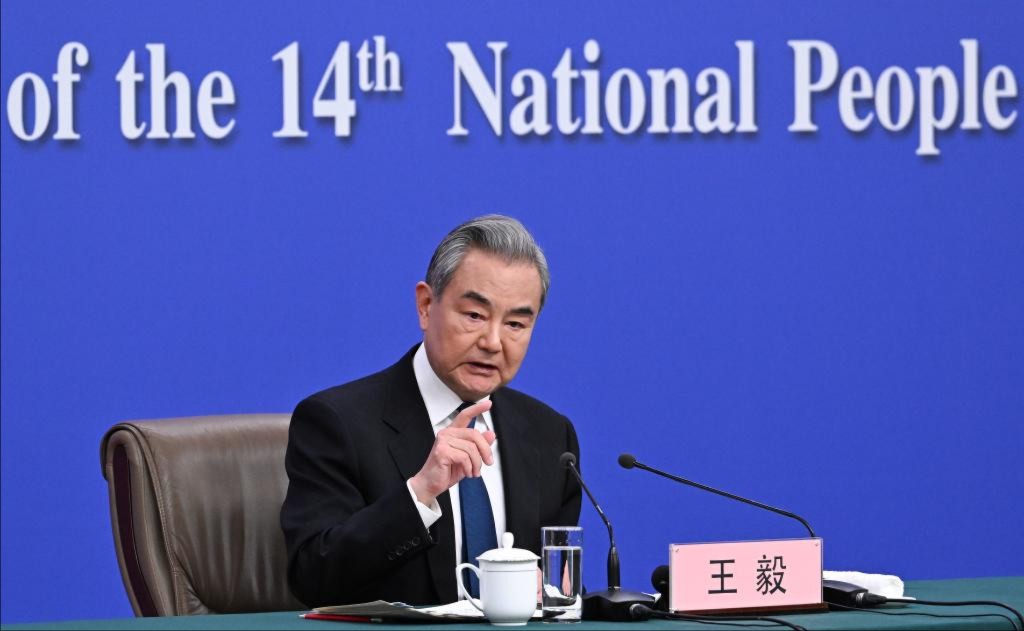
China’s Foreign Minister, Wang Yi, made this known in a press conference on Sunday.
According to the minister, ties between China and African nations have remained firm for more than seven decades, surviving changes in the global political and economic landscape. He noted that the relationship has been nurtured through shared interests, mutual respect and continuous diplomatic engagement.
Wang also pointed to a long-standing diplomatic tradition that underscores China’s focus on Africa. For 36 consecutive years, he said, China’s foreign ministers have begun their annual overseas engagements with visits to African countries, reflecting the priority Beijing attaches to the continent.
Recalling historical milestones in the relationship, Wang referenced the visits of former Chinese premier Zhou Enlai to several African nations decades ago. He also highlighted China’s role in constructing the TAZARA Railway, a major railway project connecting Tanzania and Zambia, describing it as a symbol of the solidarity between both sides. The minister noted that Chinese engineers and workers involved in the project made significant sacrifices, which he said remain an enduring testament to the depth of China-Africa friendship.
He further stressed that cooperation with Africa continues to receive strong backing from Chinese President Xi Jinping. According to Wang, the Chinese leader has consistently emphasized sincerity, goodwill and mutually beneficial cooperation as the foundation of China’s engagement with African partners.
Within the first two months of 2026, Wang said President Xi had already sent several messages to African stakeholders. These included a congratulatory message marking the launch of the China-Africa Year of People-to-People Exchanges, a reply to veterans who participated in Zimbabwe’s liberation struggle, and a goodwill message to the summit of the African Union, continuing a gesture he has maintained for 14 years.
The foreign minister said these gestures reflect Beijing’s intention to sustain the long-standing friendship with Africa while supporting the continent’s development aspirations.
Looking ahead, Wang outlined several developments expected to shape China-Africa relations this year. Among them is the plan to deepen cooperation under the framework of what China describes as a community with a shared future between Africa and China. This effort will include hosting African leaders for discussions aimed at strengthening collaboration.
Another key initiative is the planned removal of tariffs on all African exports to China, scheduled to take effect on May 1. The policy, according to Wang, is expected to widen access for African goods to the Chinese market and encourage stronger trade flows.
He added that the move forms part of China’s broader strategy of expanding economic openness while ensuring that both Chinese and African populations benefit from increased commerce.
In addition, China and African partners are expected to hold hundreds of activities throughout the year as part of the China-Africa Year of People-to-People Exchanges. Nearly 600 programmes are planned, focusing on cultural interaction, mutual learning and stronger social connections between citizens of both sides.
Wang said China remains committed to building closer ties with African countries and strengthening the human and cultural links that underpin their relationship.
He added that the long-term objective is to preserve the historical friendship between China and Africa while creating new opportunities for cooperation that will benefit future generations.