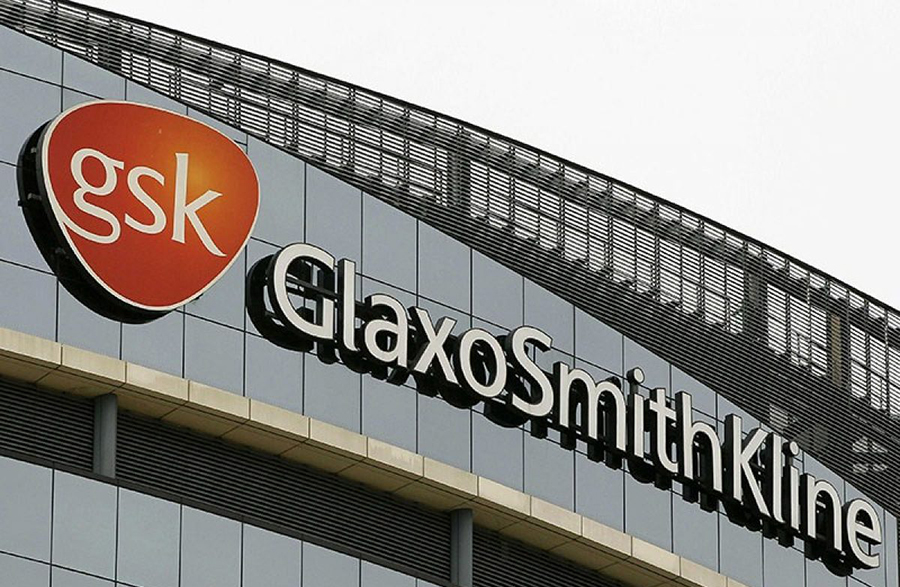

There is growing concern among industry observers that additional foreign companies might follow suit after GlaxoSmithKline Consumer Nigeria Plc recently announced its decision to cease operations in Nigeria.
He reveal that several other multinational corporations are exploring ways to pivot from foreign to local resources as part of their strategies to weather the challenges and sustain their business presence.
GSK, a company renowned for its research, development, and manufacturing of innovative pharmaceutical drugs, vaccines, and consumer healthcare products, shared that its parent company, GSK Plc UK, plans to discontinue the commercialization of prescription medicines and vaccines through its Nigerian subsidiary.
In March, Unilever Nigeria also announced a strategic shift, focusing on “business continuity measures that reduce exposure to devaluation and currency liquidity,” as it revealed plans to halt production of popular brands like Omo, Sunlight, and Lux.
The Nigerian naira has experienced a steady decline against the dollar, particularly since the Central Bank of Nigeria’s decision in June to allow more flexibility in exchange rates.
Furthermore, multinational companies have been grappling with challenges in repatriating their funds back to their home countries.
The Association of Community Pharmacists of Nigeria expressed dissatisfaction with GSK’s departure.
Adewale Oladigbolu, the National Chairman of ACPN, voiced concerns about the possibility of other multinational firms exiting Nigeria if not appropriately addressed.
Oladigbolu stated, “GSK’s departure is detrimental to the pharmaceutical industry, as many pharmacies in Nigeria have a connection with GSK in one way or another. The cessation of its operations in Nigeria sends a negative signal to the pharmaceutical sector.”
He further elaborated that the potential successor to GSK’s operations might not be as comprehensive in both the commercial and scientific aspects of the pharmaceutical industry.
Oladigbolu attributed GSK’s exit to foreign exchange shortages, clarifying that it’s not a financial insolvency issue but rather a challenge in transferring funds to its parent company over the past two and a half years. GSK struggled to secure official and ethical approval for forex transactions, a predicament it shares with the airline industry.
Sheriffdeen Tella, an economics professor at Onabanjo Olabisi University, commented on the broader reasons behind foreign companies departing from Nigeria’s market. Tella attributed the trend to multiple factors, including high interest rates, energy costs, and the volatility of the exchange rate, all of which have collectively hampered domestic production and competitiveness.