
News
Naija Live TV CEO Calls for Press Freedom, Urges Politicians to Respect Journalists

By Our Correspondent
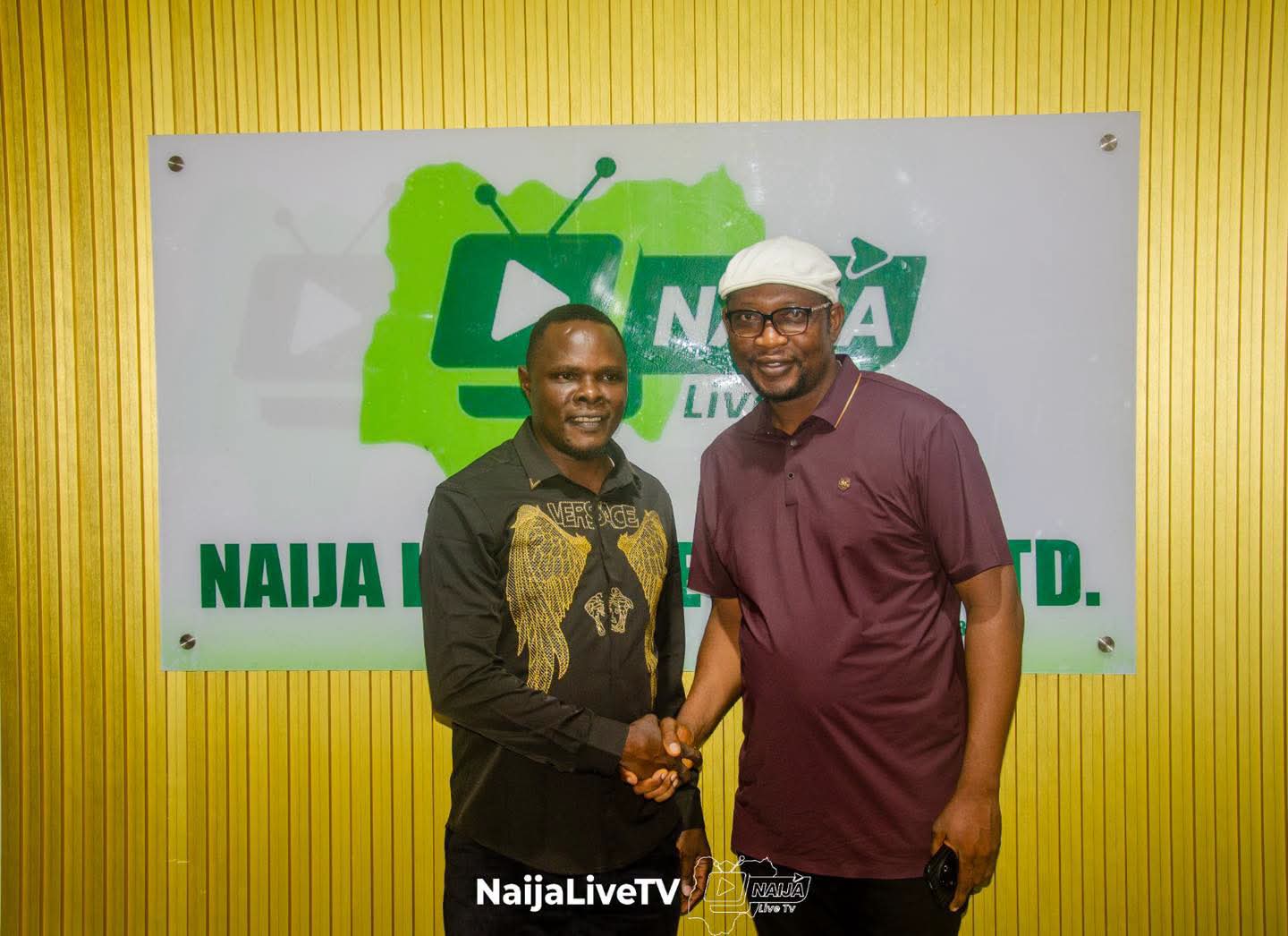
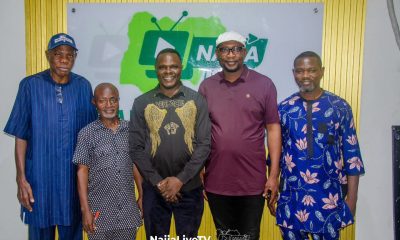
The Chief Executive Officer of Naija Live TV, Saint Miepamo Onitsha, has urged politicians and government officials to respect press freedom and allow journalists to perform their constitutional duties without interference. Onitsha made the call in Yenagoa when the leadership of the United Correspondents Chapel of the Nigeria Union of Journalists (NUJ), Bayelsa State Council, visited the station.
He said citizens deserved access to accurate information about governance, adding that the media should be allowed to report issues without undue influence.The station’s Editor-in-Chief, Chris Odi, welcomed the visit and expressed the management’s readiness to collaborate with the chapel on news dissemination. He also disclosed that the station was working towards full registration as an NUJ chapel.
The Chairman of the United Correspondents Chapel, Ekaunkumo Amgbare, said the visit was aimed at introducing the new executive and exploring opportunities for collaboration in news content sharing. He also sought the station’s support for a forthcoming sensitisation programme for secondary school students on drug abuse, cultism and other social vices, scheduled for September.
Onitsha welcomed the proposed partnership and pledged the station’s support, including live coverage of the youth sensitisation campaign. He urged journalists to uphold professionalism and defend their rights, while calling on governments to regard the media as partners in development.



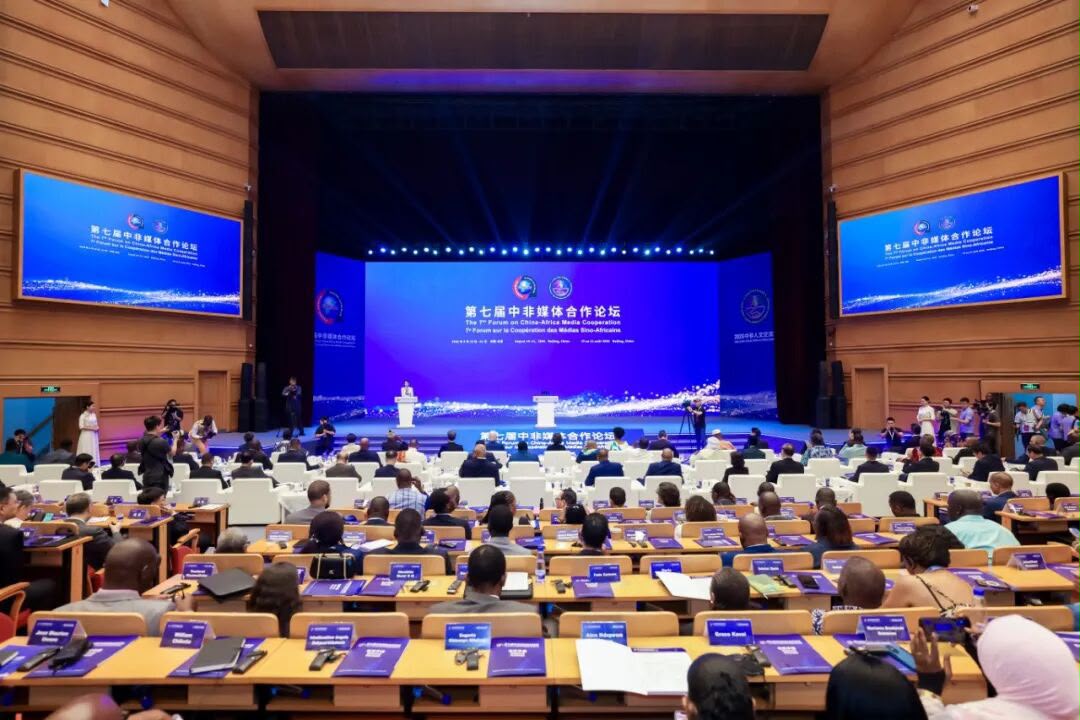
The 7th China-Africa Media Cooperation Forum opened in Beijing on Thursday, with African and Chinese officials and media practitioners calling for stronger cooperation in broadcasting, audiovisual content, technology and professional development.
Themed “Share Development Opportunities, Shape the Audio-Visual Future,” the forum seeks to promote media cooperation and strengthen people-to-people exchanges between China and Africa.
In his remarks, Alhaji Mohamed Sarjoh Bah, the African Union’s Permanent Representative to China, said the creative industries could drive economic growth, create jobs and attract investment.
Bah called for deeper Africa-China cooperation in film production, broadcasting, animation, gaming, digital content and other creative industries, saying the sector could create jobs, attract investment and stimulate innovation.
He stressed the importance of ensuring that Africa tells its own stories, urging stronger partnerships between African and Chinese media organisations in content production and distribution.
The envoy also advocated responsible use of artificial intelligence and digital technologies and called for increased investment in youth skills, professional exchanges and knowledge transfer.
Director-General of the African Union of Broadcasting, Gregoire Ndjaka, said China-Africa broadcasting cooperation had produced tangible results through technology, equipment and training that have supported the modernisation of African broadcasting.
Ndjaka called for expanded cooperation in modern broadcasting technologies and professional training, while urging greater distribution of African audiovisual content on Chinese media platforms.
He said a more balanced flow of content would allow Chinese audiences to see Africa through African perspectives and strengthen mutual understanding.
UN Under-Secretary-General and Special Adviser on Africa, Ahunna Eziakonwa, said the media had a critical role in reshaping perceptions of Africa and promoting greater ownership of the continent’s narrative.
She described Africa as resource-rich, idea-rich and youthful, noting the growing potential of its audiovisual industry to create jobs, support services trade and promote cultural exchange.
Eziakonwa urged African and Chinese media organisations to move from simply transmitting content to co-creating it, including through the use of artificial intelligence in African languages and contexts.
Delivering the keynote address, Cao Shumin, Deputy Head of the Publicity Department of the Communist Party of China Central Committee and Minister of the National Radio and Television Administration, called for stronger two-way media cooperation and content exchange.
Cao said China-Africa media cooperation had contributed to people-to-people bonds through high-quality content and urged both sides to focus on technological development, professional exchanges and regular cooperation among media practitioners.
She noted that China and Africa had already co-produced audiovisual programmes and encouraged further collaboration, including the use of artificial intelligence in content generation.
The forum, which runs from August 19 to 21, also featured a release of achievements in China- Africa Radio, and an adoption of the joint declaration of the 7th forum on China-Africa Media
Supporting events such as the China-Africa audio-visual program exchange, the China-Africa Audio-visual Youth Cooperation initiative and the China visit program for Africa media practioners will also be held alongside the forum.
Participants are expected to use the forum to deepen content cooperation, technological innovation and professional exchanges while strengthening China-Africa friendship and people-to-people relations.

By Achadu Gabriel, Kaduna
The Academic Staff Union of Universities (ASUU), Kaduna State University (KASU) chapter, has commended the Kaduna State Government for addressing some of the longstanding challenges confronting the institution, amid a face-off over alleged resignation of some members.
The chairman of ASUU-KASU, Dr Abubakar Abdullahi, made the remarks at a press briefing in Kaduna on Wednesday regarding the union’s ultimatum to the state government over what it described as poor working conditions and other challenges affecting the university.
Abdullahi, in a statement made available on Thursday, said the union’s position was not intended to castigate the government, but to draw its attention to areas requiring further intervention to strengthen the institution.
He acknowledged some steps already taken by the present administration, saying the union would continue to commend the government whenever it addressed issues affecting the university.
“Where you have done something, we commend you, and where there is an issue, we bring it to your attention to address,” he said.
Government addresses some issues
The chairman recalled that the government had addressed some of the issues contained in previous agreements with the union, including matters relating to salaries and allowances.
According to him, out of about 10 issues previously presented by the union, three had been addressed, while seven remained outstanding.
He said the union was particularly encouraged by the government’s review of a previous decision on school fees, recalling that ASUU had opposed the increase because of its potential impact on students.
“When the current government came about, they reviewed the decision and we commend them for that,” he said.
ASUU’s broader role
Abdullahi stressed that ASUU’s interventions were not limited to the welfare of its members, but were aimed at protecting the university system and ensuring that tertiary education in Kaduna State remained competitive.
He said the union considered its responsibilities to include teaching, research and community service.
The chairman also praised KASU’s achievements, saying the institution had performed creditably compared with other universities despite the challenges confronting it.
He described KASU as an institution that could serve Kaduna State for generations if properly supported.
“Roads would come and go. Physical infrastructure would not live more than 30 to 50 years. But KASU is an institution we hope and pray will still be here for the next 100 or 200 years,” he said.
He added that the university had started on “the very right footing” and had recorded achievements that compared favourably with established universities.
“I am not even talking about state universities. Federally established universities, first-generation universities, we go to places and we beat them, hands down,” Abdullahi said.
He therefore called for sustained government support, improved staff welfare and proper funding to enable the institution to retain its academic workforce and maintain its standards.
Union prefers dialogue
On the two-week ultimatum, Abdullahi clarified that the union was not eager to embark on industrial action, stressing that dialogue remained its preferred option.
“Usually, people have this wrong notion that ASUU always wants to embark on strike. That is not our desire or passion,” he said.
According to him, the purpose of the briefing was to bring the challenges to the attention of the government and the public in the hope that they would be resolved before the ultimatum expired.
He said ASUU remained ready for dialogue with the government at any time, stressing that peace and stability in the university were in the interest of all stakeholders.
“Even if the government calls us now, we are ready to move. Anything that will bring peace to the system, stability, that is what we want,” he said.
Call for implementation of agreement
Abdullahi also urged the government to implement the new Federal Government-ASUU agreement, saying its provisions could benefit both university staff and the administration through improved funding and management.
He appealed to the state government to see the outstanding challenges as an opportunity to strengthen KASU and leave a lasting legacy in the education sector.
“The government has the opportunity to write its name in gold by actually fixing a problem system they inherited,” he said.
The ASUU-KASU chairman said Kaduna, traditionally recognised as a centre of learning, should remain at the forefront of educational development and should not allow other states to overtake it in the sector.
News
Hon. Jafaru Yakubu Commends President Tinubu’s Approval of Mutum Biyu–Garba Chede Road Reconstruction

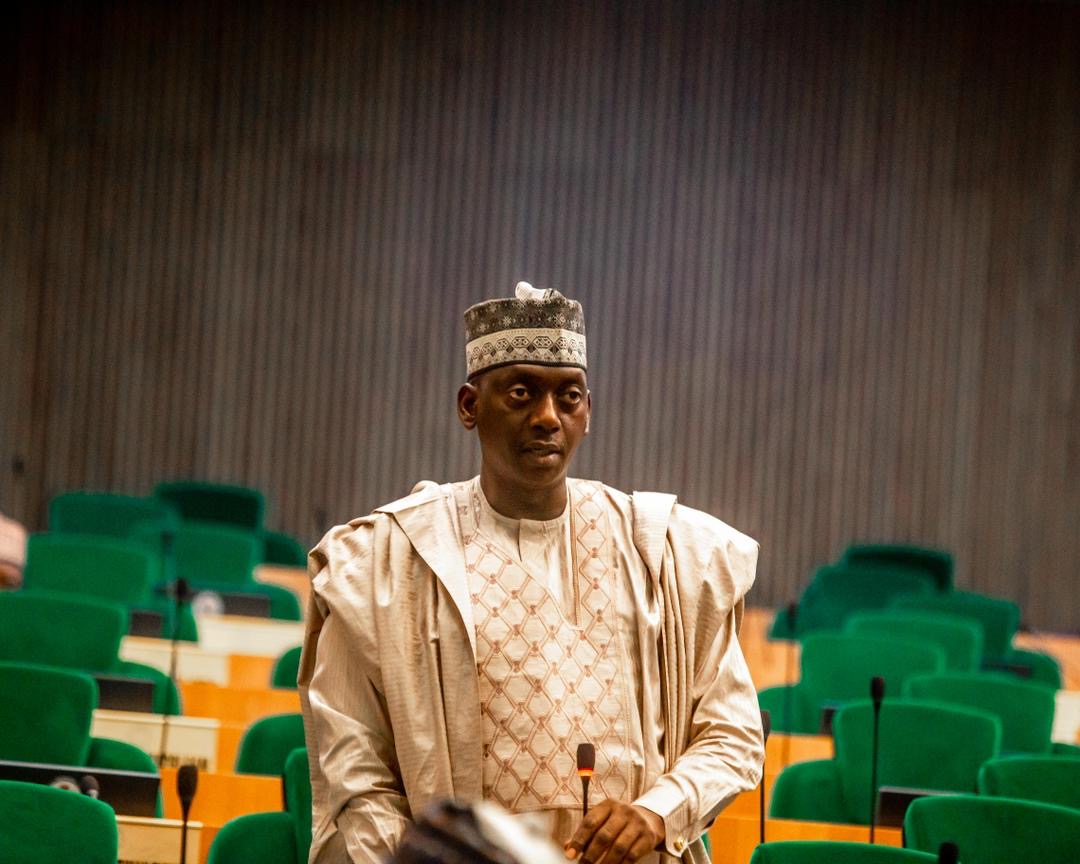
Hon. Jafaru Yakubu, Member of the House of Representatives and Chairman, House Committee on Nigeria–China Friendship Group, has commended President Bola Ahmed Tinubu GCFR for granting approval for the urgent rehabilitation and total reconstruction of the Mutum Biyu–Garba Chede Road, a 48km stretch in Taraba State.
Yakubu, who sponsored the motion in the House of Representatives calling for immediate intervention on the road, said the President’s approval is a bold and strategic response to the plight of commuters and communities along the corridor. He explained that the motion, which was debated and adopted by the House, underscored the dangers of continued neglect, including accidents, economic disruption, and the risk of total collapse.
He further acknowledged the National Security Adviser (NSA) Mallam Nuhu Ribadu for adopting a non-kinetic approach in addressing the crisis. According to Yakubu, the NSA’s intervention elevated the urgency of the project, treating infrastructure development as a vital instrument of peace, security, and stability. By drawing national attention to the road’s deterioration, the NSA highlighted the grave risks posed to lives, trade, agriculture, and access to healthcare.
The Mutum Biyu–Garba Chede Road, constructed in the early 1980s, has deteriorated severely due to age and lack of maintenance. With the collapse of the Namnai Bridge along the Jalingo–Wukari highway, the road became the sole alternative route for heavy-duty trucks, worsening its condition and exposing communities to untold hardship.
Hon. Yakubu assured his constituents that he will continue to work closely with the Federal Ministry of Works, FERMA, and the North East Development Commission to ensure the project’s swift execution. He emphasized that the House Committee on Works has already been mandated to conduct oversight and report back within four weeks, a step he believes will guarantee transparency and accountability in the delivery of the project.
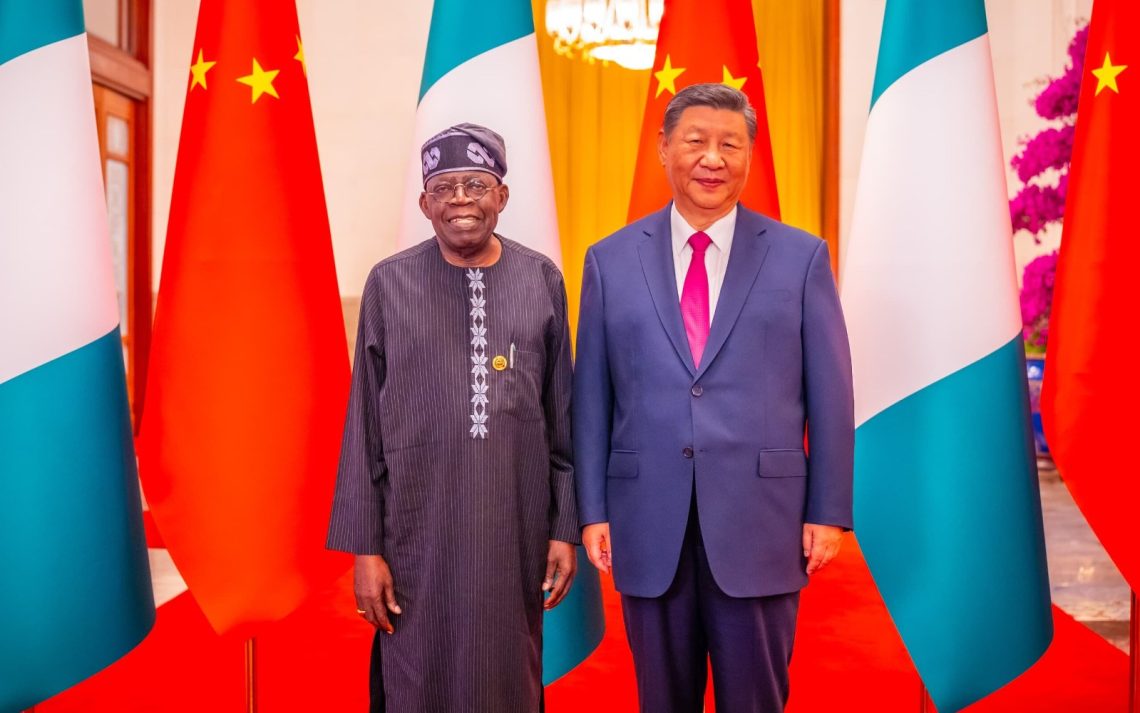
“As Chairman of the Nigeria–China Friendship Group, I am deeply conscious of the importance of strategic partnerships in advancing national development. This reconstruction is not merely about infrastructure—it is about saving lives, strengthening commerce, and reaffirming government’s duty to serve its people. On behalf of my constituency, I extend profound gratitude to President Bola Ahmed Tinubu GCFR and the NSA for their steadfast commitment,” Yakubu declared.
The approval of this project, following Yakubu’s sponsored motion, is widely seen as a demonstration of leadership that listens and acts decisively. For communities in Mutum Biyu, Garba Chede, and adjoining areas, the reconstruction represents hope for safer travel, renewed economic activity, and restored dignity after years of neglect.
Analysts note that the development is not just about fixing a road but about reconnecting people, boosting agriculture, and reinforcing national cohesion at a time when infrastructure remains central to Nigeria’s growth agenda.


7th China-Africa Media Cooperation Forum Opens in Beijing
ASUU Commends Kaduna Govt Over KASU Funding Amid Face-Off

Kwankwaso explains decision to run with Obi in 2027
-

 News20 hours ago
Jigawa Governor Namadi Deserves More Recognition, Says Dr Hafiz Muktar
-
 News6 hours ago
Hon. Jafaru Yakubu Commends President Tinubu’s Approval of Mutum Biyu–Garba Chede Road Reconstruction
-
 News20 hours ago
Middle Belt Forum Says 2031 Presidency Should Return to Region
-
 News20 hours ago
Kefas Urges Church Leaders to Defend Truth and Promote Peace in Taraba
-
 News20 hours ago
Benue Assembly Elects Peter Ipusu as New Majority Leader
-
 Uncategorized15 hours ago
ADP Presidential Candidate Aliyu Bin Abbas Signs National Peace Accord
-

 News20 hours ago
PAAU Vice-Chancellor Attends 37th CVCNU Annual General Assembly at Unilorin
-
 News20 hours ago
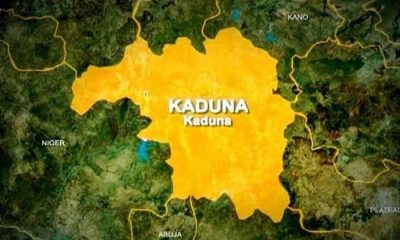
Kaduna Police to Hold Three-Day Youth Engagement Programme on Crime and Drug Abuse
You must be logged in to post a comment Login