
The International Monetary Fund (IMF) has projected that Nigeria’s total public debt will rise steadily to 44.2 per cent of Gross Domestic Product, GDP, by 2027.
The IMF gave this forecast in its April Fiscal Monitor, released yesterday, in Washington, adding that the total fiscal spending of the General Government (Federal and state governments) will widen to 6.4 per cent of GDP this year, 2022, from 6.0 per cent at the end of 2021.
According to the Debt Management Office, DMO, national public debt rose by 20 per cent, year-on-year, YoY, to N39.56 trillion in 2021 from N32.92 trillion in 2020.
“With the Total Public Debt Stock to Gross Domestic Product (GDP) as at December 31, 2021, of 22.47 per cent, the Debt-to-GDP ratio still remains within Nigeria’s self-imposed limit of 40%”, the DMO said.
The IMF however disagreed, stating that nation’s Debt-to-GDP ratio stood at 37.0 per cent at the end of 2021, and will rise to 37.4 per cent in 2022, 38.8 per cent in 2023, 40.2 per cent in 2024, 41.6 per cent in 2025, 42.9 per cent in 2026 and to 44.2 per cent in 2027.
The IMF also projected that the General Government fiscal deficit would slightly improve from 6.4 per cent to 5.9 in 2023 and 2024, before deteriorating, once again, to 6.1 in 2025, 6.3 per cent in 2026 and 6.4 per cent in 2027.
Meanwhile, the IMF has warned that the global community faced a general debt spike, food shortage-related unrests and energy crisis.
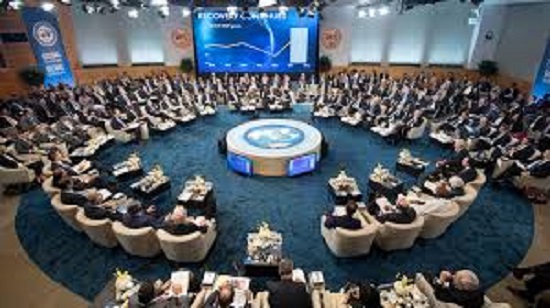
The release of the April 2022 Fiscal Monitor, with the theme, “Fiscal Policy from Pandemic to War” was part of the on-going Spring Meetings of the World Bank / IMF Spring Meetings.
The report said of Russia’s invasion of Ukraine, “Besides the death toll, human misery, and destruction of infrastructure, the war is causing costly displacement of refugees and loss of human capital, disrupting commodity markets, and further fueling inflation. Higher food and energy prices raise the risks of social unrest.
“Emerging markets and low-income developing countries serving as net importers of energy and food will be hit by elevated international prices, putting pressure both on growth and public finances.”
At a press briefing on the Fiscal Monitor, also yesterday, Vitor Gaspar, Director, Fiscal Affairs Department of the Fund, emphasised the risks of debt, food security and energy security, which the world faced.