
News
Peace Corps Seeks Partnership with Taraba Government to Strengthen School Security, Safeguard Free Education Policy

By Aga Samuel Imoter
Jalingo
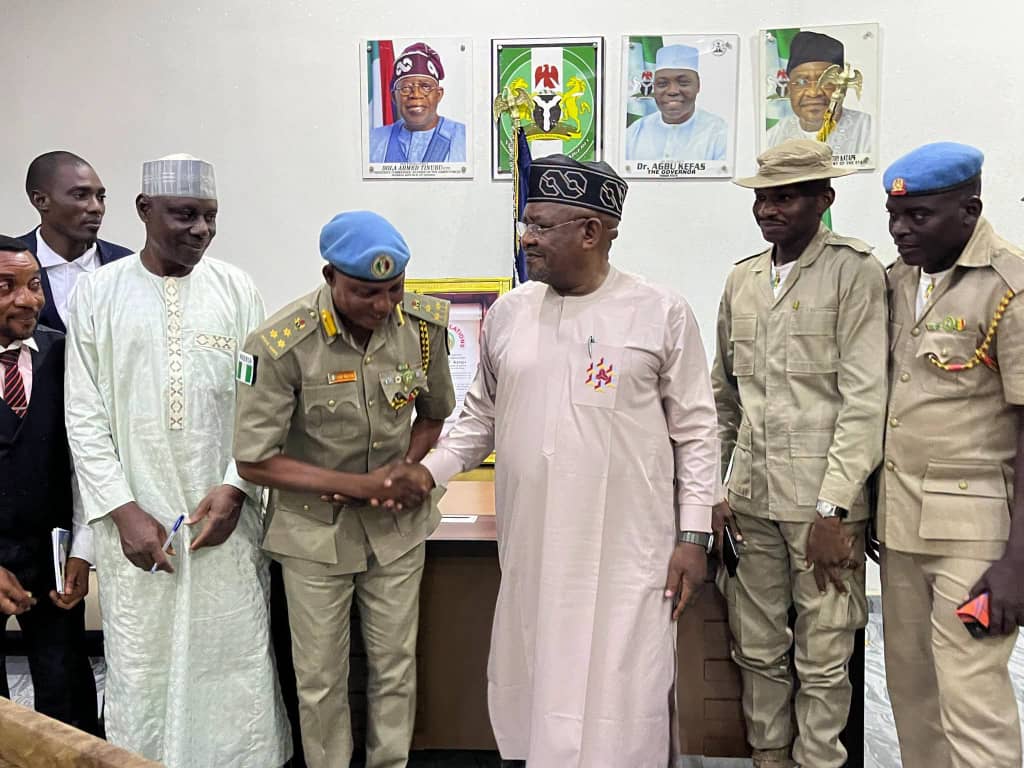
The Peace Corps of Nigeria, Taraba State Command, has proposed a strategic partnership with the Taraba State Government to enhance security in schools as part of efforts to safeguard the state’s free education programme and ensure a safer learning environment for students and teachers.
The proposal was presented during a courtesy visit by the State Command of the Peace Corps, led by the State Commandant, Mr. Manti Daniel, to the Office of the Secretary to the Government of Taraba State (SGS) in Jalingo.
Speaking during the meeting, Daniel lauded Governor Dr. Agbu Kefas for restoring relative peace across Taraba State and for introducing the free education policy, which he described as one of the administration’s most impactful reforms.
According to him, the policy has significantly eased the financial burden on parents, increased school enrolment, expanded access to quality education, and stimulated socio-economic activities across the state.
He, however, stressed that sustaining the gains of the programme requires a robust security framework capable of protecting schools from emerging threats.
Daniel proposed that the Taraba State Government incorporate trained Peace Corps personnel into its school security architecture alongside existing agencies, including the Nigeria Security and Civil Defence Corps (NSCDC) and the Taraba Marshals.
He said such collaboration would strengthen surveillance, improve emergency response, protect educational facilities, and reinforce public confidence in the state’s education system.
Responding, the Secretary to the Government of Taraba State, Chief GeeTee Kataps Ngwii, welcomed the proposal and commended the Peace Corps for its commitment to national development and community service.
Ngwii said the government would carefully examine the legal and policy framework necessary for such a partnership, noting that any decision would be guided by due process and existing laws before appropriate recommendations are presented to Governor Kefas for consideration.
He reaffirmed the unwavering commitment of the Taraba State Government to ensuring the safety of students, teachers, and educational infrastructure, describing school security as a critical component of the successful implementation of the state’s free education policy.
“The administration of Governor Agbu Kefas remains committed to creating a secure and conducive learning environment where every child can pursue education without fear,” the SGS said.
The meeting reflects the growing recognition of multi-agency collaboration as an essential strategy for improving school security and protecting investments in education, particularly as governments across Nigeria intensify efforts to provide safe and inclusive learning environments.
News
Hon. Jafaru Yakubu Commends President Tinubu’s Approval of Mutum Biyu–Garba Chede Road Reconstruction
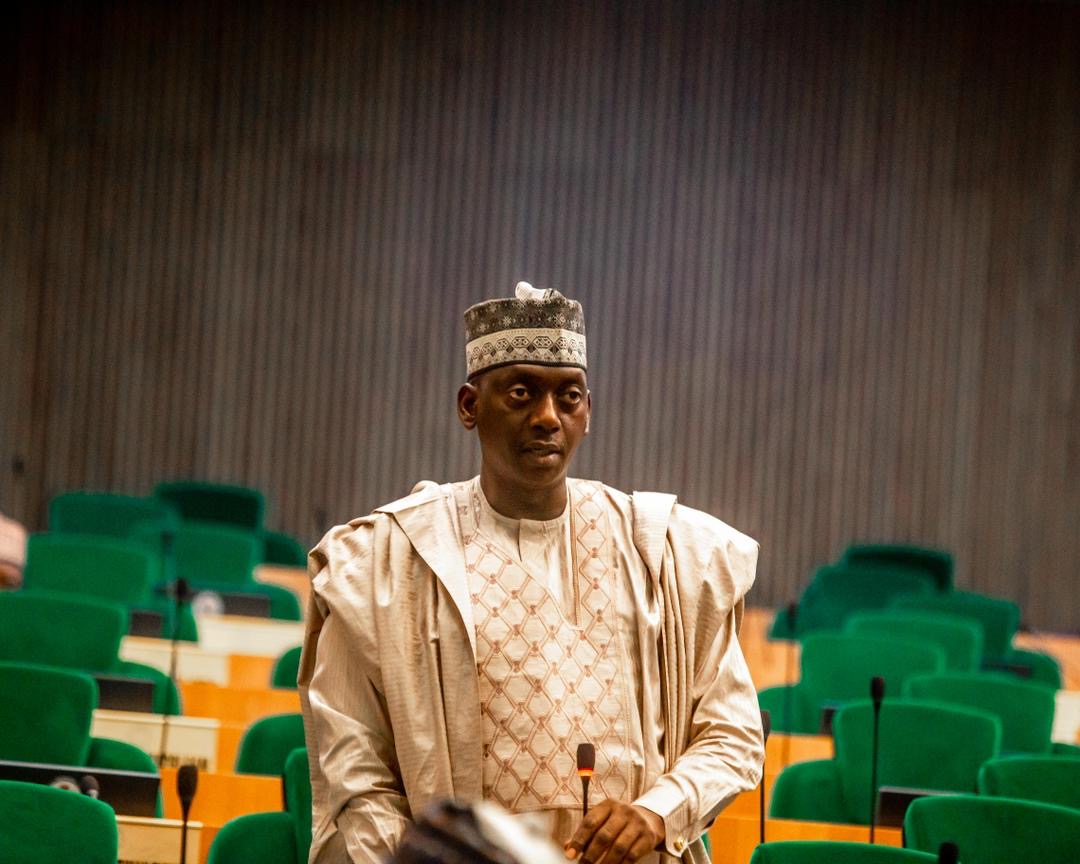
Hon. Jafaru Yakubu, Member of the House of Representatives and Chairman, House Committee on Nigeria–China Friendship Group, has commended President Bola Ahmed Tinubu GCFR for granting approval for the urgent rehabilitation and total reconstruction of the Mutum Biyu–Garba Chede Road, a 48km stretch in Taraba State.
Yakubu, who sponsored the motion in the House of Representatives calling for immediate intervention on the road, said the President’s approval is a bold and strategic response to the plight of commuters and communities along the corridor. He explained that the motion, which was debated and adopted by the House, underscored the dangers of continued neglect, including accidents, economic disruption, and the risk of total collapse.
He further acknowledged the National Security Adviser (NSA) Mallam Nuhu Ribadu for adopting a non-kinetic approach in addressing the crisis. According to Yakubu, the NSA’s intervention elevated the urgency of the project, treating infrastructure development as a vital instrument of peace, security, and stability. By drawing national attention to the road’s deterioration, the NSA highlighted the grave risks posed to lives, trade, agriculture, and access to healthcare.
The Mutum Biyu–Garba Chede Road, constructed in the early 1980s, has deteriorated severely due to age and lack of maintenance. With the collapse of the Namnai Bridge along the Jalingo–Wukari highway, the road became the sole alternative route for heavy-duty trucks, worsening its condition and exposing communities to untold hardship.
Hon. Yakubu assured his constituents that he will continue to work closely with the Federal Ministry of Works, FERMA, and the North East Development Commission to ensure the project’s swift execution. He emphasized that the House Committee on Works has already been mandated to conduct oversight and report back within four weeks, a step he believes will guarantee transparency and accountability in the delivery of the project.
“As Chairman of the Nigeria–China Friendship Group, I am deeply conscious of the importance of strategic partnerships in advancing national development. This reconstruction is not merely about infrastructure—it is about saving lives, strengthening commerce, and reaffirming government’s duty to serve its people. On behalf of my constituency, I extend profound gratitude to President Bola Ahmed Tinubu GCFR and the NSA for their steadfast commitment,” Yakubu declared.
The approval of this project, following Yakubu’s sponsored motion, is widely seen as a demonstration of leadership that listens and acts decisively. For communities in Mutum Biyu, Garba Chede, and adjoining areas, the reconstruction represents hope for safer travel, renewed economic activity, and restored dignity after years of neglect.
Analysts note that the development is not just about fixing a road but about reconnecting people, boosting agriculture, and reinforcing national cohesion at a time when infrastructure remains central to Nigeria’s growth agenda.

By Abigail David
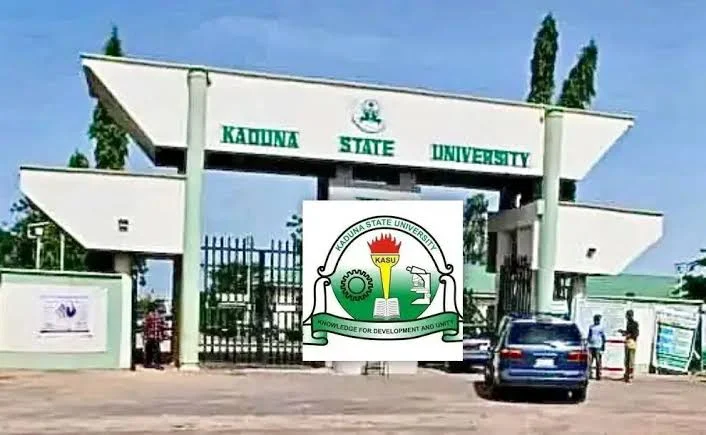
The Kaduna State University chapter of the Academic Staff Union of Universities says it is ready for immediate negotiations with the Kaduna State Government to resolve the lingering issues threatening industrial harmony at the institution.
The Chairman of ASUU-KASU, Dr Abubakar Abdullahi, said this at a press conference on Thursday at the ASUU secretariat in Kaduna, stressing that the union was prepared to meet with the government at any time.
He said its priority was to find lasting solutions to the problems confronting the university.
He said, “Even if government calls us now, we are ready to move. Anything that will bring peace and stability to the system is what we want. Even if it is 3am, wherever we are, we are ready to go and engage and find solutions to the problems.”
Abdullahi explained that the two-week ultimatum issued by the union followed a directive from its national leadership, but expressed optimism that dialogue with the state government would yield concrete solutions before the expiration of the ultimatum.
He said the union was not interested in shutting down the university, noting that industrial action would negatively affect lecturers, students and the institution.
According to him, “We don’t want to go on strike. We don’t want to shut down the university because we know the implications. We want peace and stability in the university.”
The chairman identified the implementation and domestication of the 2025 Federal Government-ASUU agreement as the union’s major demand, saying the agreement was designed to address issues of staff welfare and conditions of service in Nigerian universities.
He said, “Our major concern is the implementation of the 2025 agreement. If the agreement is implemented, it will go a long way in addressing the welfare of our members and some of the challenges facing the university.”
Abdullahi recalled that the union had previously embarked on industrial action over 10 issues, adding that three had since been addressed by the authorities
He commended the authorities for resolving the three issues but said seven others remained outstanding, noting that the union had continued to pursue them through dialogue for nearly two years.
He said, “We have 10 issues that we raised before. Three have been addressed and we appreciate the government for that. But seven are still outstanding and we have been engaging for almost two years.”
The Press reports that the development followed the two-week ultimatum issued by ASUU-KASU amid concerns over the departure of academic staff from the university and the non-implementation of the 2025 Federal Government-ASUU agreement.
The union had warned that failure to address its demands could lead to a total and indefinite strike.
The union had also raised concerns over other unresolved matters, including university autonomy, excessive workload, promotion arrears, death benefits, group life insurance, wage awards and pension remittances.
The crisis came to the fore after ASUU-KASU alleged that more than 200 academic staff, including professors, had left the institution over poor conditions of service and failure to implement the 2025 agreement.
However, the Kaduna State Government, through the Principal Private Secretary to Governor Uba Sani, Prof Bello Ayuba, on Wednesday expressed its readiness to engage the union in dialogue to prevent a strike.
Ayuba, while addressing a press conference, urged ASUU-KASU to embrace dialogue and established channels of engagement, assuring that the government was committed to resolving the issues and avoiding disruption of academic activities.
Abdullahi urged the state government and other stakeholders to seize the opportunity for renewed engagement, assuring that the union would negotiate in good faith.
He said, “Anything that will bring peace and stability to the system, we are ready for it. We are ready to sit down with government and find solutions to these problems.”
The chairman appealed to the government to urgently address the outstanding demands, saying this would help restore confidence among academic staff and avert disruption of academic activities at KASU.

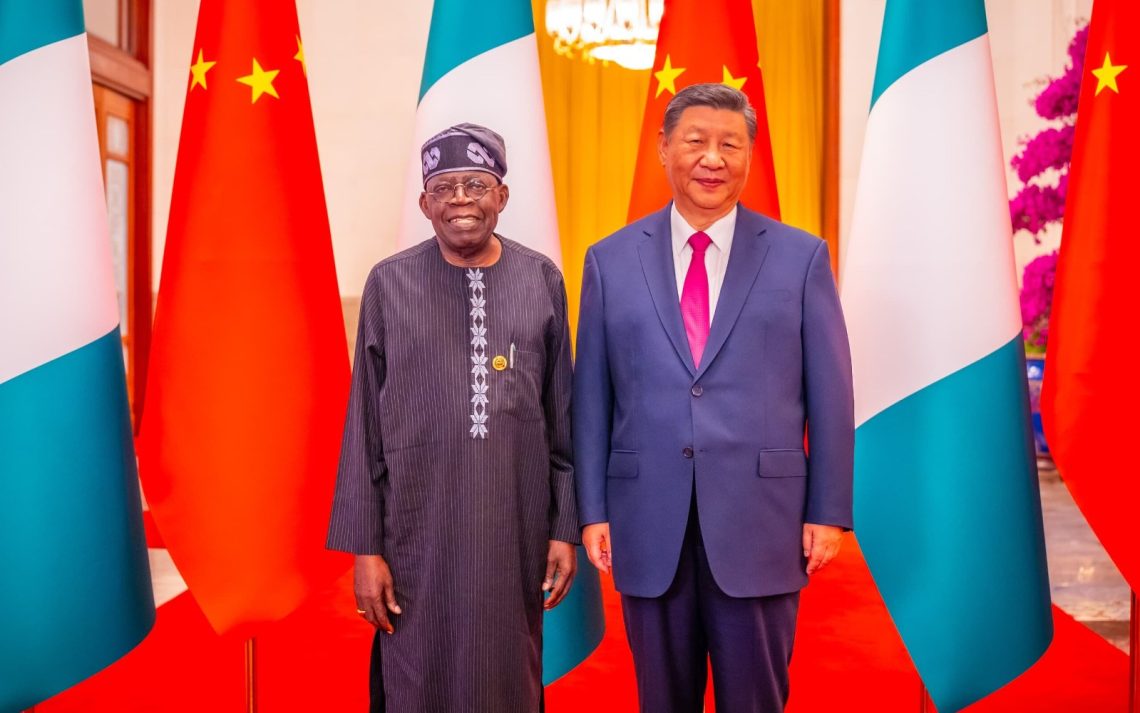
By Michael Onjewu, Beijing
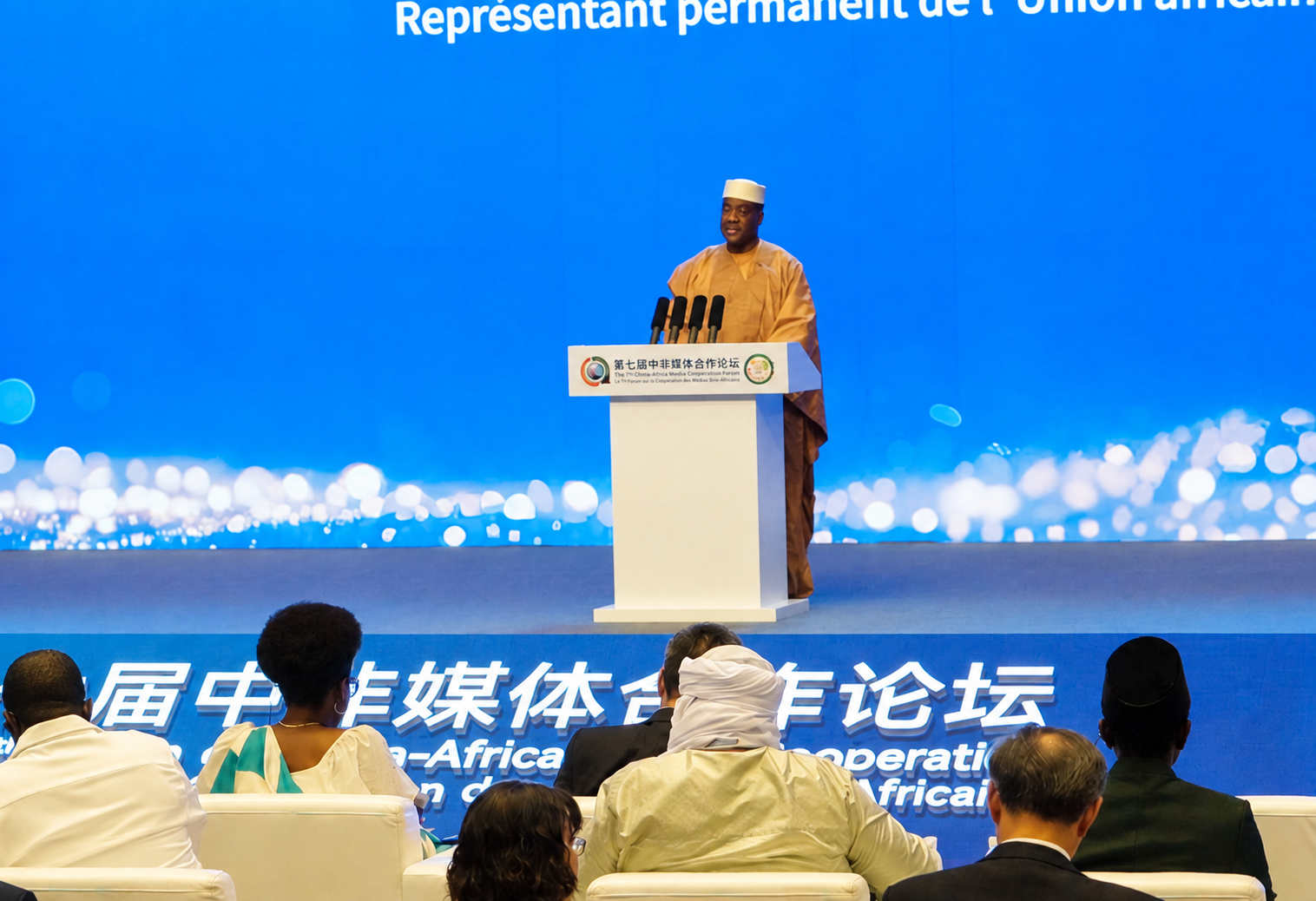
The African Union and the United Nations have called for deeper cooperation in the media and creative industries, saying stronger collaboration in content production, technology, professional exchanges and youth development can drive economic growth and strengthen people-to-people relations between Africa and China.
The call was made on Thursday at the opening ceremony of the 7th China-Africa Media Cooperation Forum in Beijing, attended by Chinese officials, African information ministers, journalists, media practitioners and members of the diplomatic community.
The forum, themed “Share Development Opportunities, Shape the Audio-Visual Future,” focuses on content innovation, cultural cooperation and technological development.
Speaking at the event, the African Union’s Permanent Representative to China, Alhaji Mohamed Sarjoh Bah, said the next phase of Africa-China media cooperation should focus on transforming the creative industries into engines of economic development, harnessing digital technology and artificial intelligence responsibly, and investing in human capital.
Bah said Africa’s creative industries should be treated as strategic sectors capable of creating jobs, attracting investment and stimulating innovation.
“Throughout history, stories have shaped civilisation. Today, the creative industries possess the power to connect cultures, create jobs, stimulate innovation and expand economic opportunity,” he said.
He urged Africa and China to move beyond traditional content exchanges and develop integrated value chains covering film production, broadcasting, animation, gaming, digital content and cultural entrepreneurship.
Bah also called for greater African ownership of the continent’s narratives, saying African stories should reflect its diversity, achievements, aspirations and realities.
“For too long, Africa has been viewed through lenses that do not reflect the aspirations, achievements and the realities of its people,” he said.
On technology, Bah urged both sides to harness artificial intelligence, big data, cloud computing and next-generation communication platforms while ensuring that innovation remains inclusive, ethical and people-centred.
“As we embrace artificial intelligence and emerging technologies, we must ensure they are guided by the principles of inclusivity, fairness, transparency and accountability,” the envoy said.
He called for stronger scholarship opportunities, collaboration among universities and research institutions, and mechanisms for knowledge transfer and skills development, describing Africa’s youthful population as a major strategic advantage.
“At the African Union, we firmly believe that empowering our youth is not merely a policy choice; it is a strategic necessity,” Bah said.
He urged the media to become a transformative force for development, solidarity and peace, rather than merely reflecting Africa-China relations.
UN Under-Secretary-General and Special Adviser on Africa, Ahunna Eziakonwa, said media professionals had a critical role in changing how Africa is perceived globally.
“Africa today is not a continent of scarcity. It is resource rich, it is idea rich, and above all, it is young,” she said.
Eziakonwa noted that by 2050, one in every four people globally would be African, with most under the age of 30. She said the continent’s young population was already creating, streaming and distributing content on a scale attracting growing global attention.
She cited Nollywood, Nairobi’s animation industry and productions emerging through Chinese partnerships as expressions of Africa’s creative economy and promising avenues for jobs, services trade and cultural exchange.
Eziakonwa urged African and Chinese broadcasters to co-create rather than merely transmit content, while encouraging young filmmakers to train together and apply technologies such as artificial intelligence to African languages and contexts.
“When African broadcasters and Chinese counterparts co-create rather than merely transmit, when young filmmakers train together, when new technologies, including artificial intelligence, are put to work in African languages and African contexts, we’re not simply exchanging content,” she said.
She noted that such cooperation represented an investment in Africa’s “narrative sovereignty” and the aspirations of Agenda 2063.
Delivering the keynote address, Cao Shumin, Deputy Head of the Publicity Department of the Communist Party of China Central Committee and Minister of the National Radio and Television Administration, called for stronger two-way media cooperation between China and Africa.
Cao said China-Africa media cooperation had developed over the years and contributed to advancing people-to-people bonds through high-quality content.
She called for greater two-way screening and content exchange, as well as stronger focus on technological development and the use of emerging technologies to improve media production.
Cao also urged China and Africa to consolidate their friendship through high-quality and more efficient media content, while expanding exchange programmes for journalists, broadcasters, producers and other media professionals.
She advocated regular professional exchanges to build stronger networks and create opportunities for long-term cooperation.
Cao noted that China and Africa had already co-produced a number of audiovisual contents and called for the partnership to expand into new areas, including artificial intelligence and AI-generated content, as both sides pursue common development.
The 7th China-Africa Media Cooperation Forum also features the China-Africa Audio-Visual Programme Exchange, the China-Africa Audio-Visual Youth Cooperation Initiative and a China visit programme for African media practitioners.
The activities are expected to strengthen professional exchanges, content cooperation and interaction among young media practitioners while using radio, television and audiovisual media to deepen China-Africa people-to-people ties and support economic and trade development.


Hon. Jafaru Yakubu Commends President Tinubu’s Approval of Mutum Biyu–Garba Chede Road Reconstruction

Atiku says 2027 will be his final presidential bid

Kaduna varsity lecturers ready for talks with govt to avert strike
-
News21 hours ago
KADSG Faults ADC Guber Candidate’s Criticism, Defends Sani’s Education Funding Records
-
News21 hours ago
24 Bandits Killed As Army, DSS, Vigilantes Foil Mass Kidnap in Katsina Community, Rescue Victims
-
 News15 hours ago
Middle Belt Forum Says 2031 Presidency Should Return to Region
-

 News15 hours ago
Jigawa Governor Namadi Deserves More Recognition, Says Dr Hafiz Muktar
-
 News14 hours ago
Kefas Urges Church Leaders to Defend Truth and Promote Peace in Taraba
-

 News15 hours ago
Benue Assembly Elects Peter Ipusu as New Majority Leader
-
 News14 hours ago
Kaduna Police to Hold Three-Day Youth Engagement Programme on Crime and Drug Abuse
-
 Uncategorized10 hours ago
ADP Presidential Candidate Aliyu Bin Abbas Signs National Peace Accord
You must be logged in to post a comment Login