
By Oladosu Adebola Oluwaseun
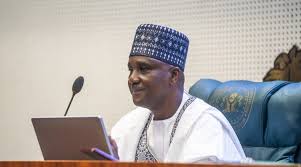
In a move that underscores the evolving dynamics of legislative process and public engagement, the Speaker of the House of Representatives, Rt. Hon. Abbas Tajudeen, Ph.D., GCON, has announced the withdrawal of the Bill to Amend the Electoral Act 2022, which sought to make voting mandatory for all eligible Nigerians. Co-sponsored with Hon. Daniel Asama Ago, the proposed legislation, initially conceived with the noble aim of boosting civic participation, will no longer proceed, a decision stemming from “extensive consultations with a broad spectrum of stakeholders.”
The Speaker’s statement, issued on May 26, 2025, meticulously outlines the rationale behind both the bill’s introduction and its subsequent withdrawal. The core intent, he clarified, was undeniably positive: “to bolster civic engagement and strengthen our democracy by encouraging higher voter turnout.” Indeed, the concept of compulsory voting is not without precedent globally. Speaker Abbas thoughtfully cites examples such as Australia, Belgium, and Brazil, where such measures have demonstrably sustained participation rates exceeding 90 percent. He also acknowledges Argentina and Singapore as nations that have implemented similar frameworks to foster greater inclusivity at the ballot box. These references serve to contextualize the initial legislative vision, illustrating that the proposal was not an arbitrary one but rather drew inspiration from established democratic practices elsewhere.
However, the strength of any democracy lies not just in its ideals but in its responsiveness to the will of its people. This critical understanding forms the bedrock of the Speaker’s decision to withdraw the bill. He articulates this principle succinctly: “lawmaking is ultimately about the people it serves, and that any reform must respect individual freedoms and public sentiment.” This acknowledgment is crucial. While the benefits of high voter turnout are universally recognized, the means to achieve it must align with the fundamental rights and prevailing sentiments of the citizenry. The potential for perceived coercion, even with the best intentions, can sometimes overshadow the desired outcome.The withdrawal of the bill signifies a pragmatic shift in approach. Rather than pursuing a path that might be seen as compelling participation, Speaker Abbas is now “committed to exploring positive incentives and innovative approaches that will make voting more attractive and accessible to all Nigerians.” This pivot suggests a move towards a more organic and less prescriptive method of fostering civic duty. It opens the door for a more inclusive dialogue, focusing on creating an environment where voting is not just a right, but a desirable and easily accessible civic act.
Furthermore, the Speaker emphasizes that “This withdrawal will allow time for further dialogue on how best to cultivate a culture of voluntary participation that honours both our democratic ideals and the rights of our citizens.” This commitment to continued dialogue is perhaps the most significant takeaway from this press statement. It signals a legislative leadership that values robust public discourse and is willing to adapt its strategies based on feedback and collective wisdom. In a vibrant democracy like Nigeria, such a responsive approach is vital for building consensus and ensuring that legislative reforms truly reflect the aspirations of the populace. The withdrawal of the Compulsory Voting Bill, therefore, is not a defeat, but rather a strategic pause, allowing for a more nuanced and ultimately more effective path towards strengthening Nigeria’s democratic fabric.
In a move that underscores the evolving dynamics of legislative process and public engagement, the Speaker of the House of Representatives, Rt. Hon. Abbas Tajudeen, Ph.D., GCON, has announced the withdrawal of the Bill to Amend the Electoral Act 2022, which sought to make voting mandatory for all eligible Nigerians. Co-sponsored with Hon. Daniel Asama Ago, the proposed legislation, initially conceived with the noble aim of boosting civic participation, will no longer proceed, a decision stemming from “extensive consultations with a broad spectrum of stakeholders.”
The Speaker’s statement, issued on May 26, 2025, meticulously outlines the rationale behind both the bill’s introduction and its subsequent withdrawal. The core intent, he clarified, was undeniably positive: “to bolster civic engagement and strengthen our democracy by encouraging higher voter turnout.” Indeed, the concept of compulsory voting is not without precedent globally. Speaker Abbas thoughtfully cites examples such as Australia, Belgium, and Brazil, where such measures have demonstrably sustained participation rates exceeding 90 percent. He also acknowledges Argentina and Singapore as nations that have implemented similar frameworks to foster greater inclusivity at the ballot box. These references serve to contextualize the initial legislative vision, illustrating that the proposal was not an arbitrary one but rather drew inspiration from established democratic practices elsewhere.
However, the strength of any democracy lies not just in its ideals but in its responsiveness to the will of its people. This critical understanding forms the bedrock of the Speaker’s decision to withdraw the bill. He articulates this principle succinctly: “lawmaking is ultimately about the people it serves, and that any reform must respect individual freedoms and public sentiment.” This acknowledgment is crucial. While the benefits of high voter turnout are universally recognized, the means to achieve it must align with the fundamental rights and prevailing sentiments of the citizenry. The potential for perceived coercion, even with the best intentions, can sometimes overshadow the desired outcome.
The withdrawal of the bill signifies a pragmatic shift in approach. Rather than pursuing a path that might be seen as compelling participation, Speaker Abbas is now “committed to exploring positive incentives and innovative approaches that will make voting more attractive and accessible to all Nigerians.” This pivot suggests a move towards a more organic and less prescriptive method of fostering civic duty. It opens the door for a more inclusive dialogue, focusing on creating an environment where voting is not just a right, but a desirable and easily accessible civic act.
Furthermore, the Speaker emphasizes that “This withdrawal will allow time for further dialogue on how best to cultivate a culture of voluntary participation that honours both our democratic ideals and the rights of our citizens.” This commitment to continued dialogue is perhaps the most significant takeaway from this press statement. It signals a legislative leadership that values robust public discourse and is willing to adapt its strategies based on feedback and collective wisdom. In a vibrant democracy like Nigeria, such a responsive approach is vital for building consensus and ensuring that legislative reforms truly reflect the aspirations of the populace. The withdrawal of the Compulsory Voting Bill, therefore, is not a defeat, but rather a strategic pause, allowing for a more nuanced and ultimately more effective path towards strengthening Nigeria’s democratic fabric.