
Politics
Tambuwal Withdraws from Sokoto Senate Race, Backs Former Commissioner

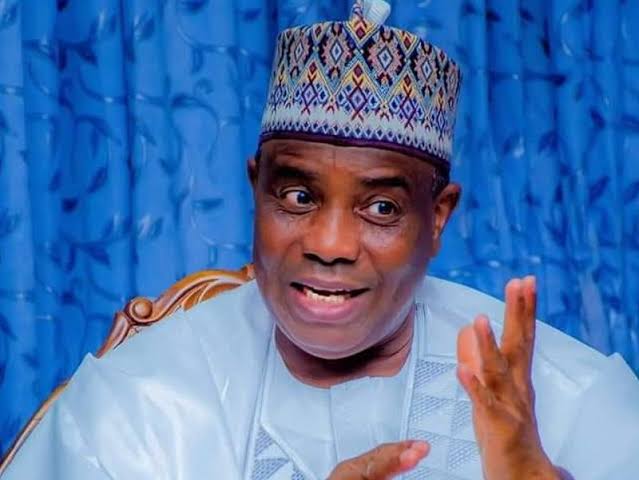
Former Aminu Waziri Tambuwal has withdrawn from the 2027 Sokoto South Senatorial Election and endorsed former Commissioner for Finance, Faruk Malami-Yabo, as the African Democratic Congress candidate for the seat.
The development was confirmed by the party’s Sokoto State Publicity Secretary, Lamir Aminu, who said Tambuwal stepped down following consultations aimed at preserving unity and internal stability within the party ahead of the 2027 general elections.
According to the party, the move reflects its commitment to promoting younger political leaders and strengthening internal democracy. The ADC said several of its House of Representatives tickets in Sokoto State have also been allocated to younger candidates.
The withdrawal comes amid ongoing political realignments in the state as parties position themselves for the 2027 polls.
In a related development, ADC chieftain Faruku Umar Fada has emerged as the party’s candidate for the Sokoto North/Sokoto South Federal Constituency.
Following his emergence, Fada pledged to run an inclusive campaign focused on youth empowerment, education and effective representation.


By Jabiru Hassan
A former Speaker of the Dawakin Tofa Local Government Council, Ado Abdu Yumfawa, has described former Kano State Governor and former National Chairman of the All Progressives Congress (APC), Abdullahi Umar Ganduje, as a leader committed to promoting peace and unity in the state’s political landscape.
Yumfawa made the statement in an interview with journalists in Kano, saying Ganduje had demonstrated commitment to peaceful coexistence and political stability in the state. He also commended Ganduje for engaging APC stakeholders from Dawakin Tofa Local Government Area in discussions on party unity and progress.
According to Yumfawa, the meeting reflected efforts to strengthen cooperation among party members and improve the APC’s prospects in Kano and the country. “His Excellency Dr Abdullahi Umar Ganduje is a true democrat who is always working to make our party stronger ahead of the 2027 general elections,” he said.
Yumfawa expressed optimism about the APC’s chances in the 2027 elections, attributing his confidence to what he described as increased unity within the party in Kano State. He also called on residents of Kano State to support the administration of Governor Abba Kabir Yusuf and cooperate with the government to promote good governance and development.
Politics
Tinubu Meets Folarin as APC Intensifies Reconciliation Ahead of Oyo 2027 Governorship Election

By Abigail David
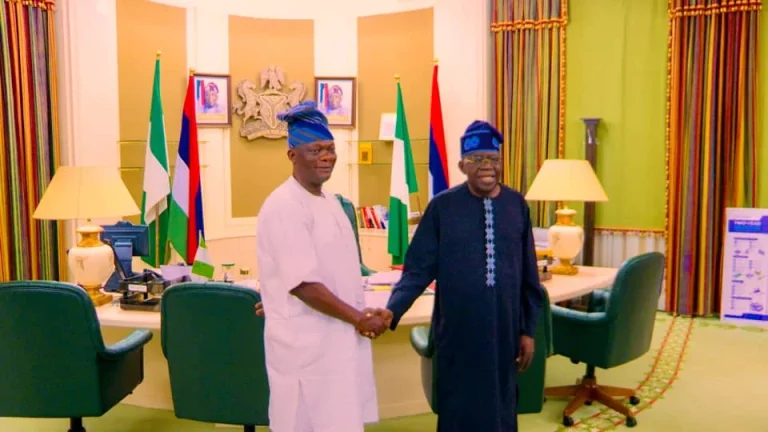
President Bola Tinubu on Tuesday met with former Senate Leader and former Oyo State governorship candidate, Teslim Folarin, in Abuja, amid ongoing efforts by the All Progressives Congress (APC) to strengthen party unity ahead of the 2027 governorship election in Oyo State.
According to a source familiar with the meeting, the discussions focused on reconciling key party stakeholders and mobilising support for the APC’s governorship candidate, Sharafadeen Alli.
Folarin was the APC candidate in the 2023 governorship election, where he lost to incumbent Governor Seyi Makinde of the Peoples Democratic Party (PDP). He did not contest the party’s 2027 primary, which produced Alli as the APC candidate.
The source said the meeting formed part of the party’s reconciliation efforts following disagreements that emerged during the governorship nomination process.
According to the source, President Tinubu assured Folarin that his supporters would be considered in future political arrangements at both the state and federal levels. The source also said Folarin is expected to brief his supporters on the outcome of the meeting.
Alli emerged as the APC’s governorship candidate after consultations among party leaders, although the process was challenged by some aspirants and party members.
The APC has since called on aggrieved members to close ranks as it seeks to reclaim Oyo State from the PDP, which has been in power since 2019.
By Jabiru Hassan, Kano
A former Speaker of the Dawakin Tofa Local Government Legislative Council in Kano State, Hon. Ado Abdu Yumfawa, has expressed confidence that the All Progressives Congress (APC) will remain united and perform strongly in the 2027 general elections.
Speaking in an interview with journalists in Kano, Yumfawa said he believes the ruling party has continued to strengthen its internal structures and is focused on governance at the federal, state and local government levels.
According to him, the policies of President Bola Ahmed Tinubu are aimed at promoting national development despite the economic and governance challenges facing the country. “Our party, the All Progressives Congress, is growing stronger ahead of the 2027 general elections. From what our leaders are doing, we believe Nigeria will continue to make progress,” Yumfawa said.
He commended President Tinubu’s administration for its economic policies, expressing optimism that Nigerians would experience the benefits of ongoing reforms over time.Yumfawa also urged party members to remain united and continue supporting initiatives they believe will contribute to national development. His remarks come as political discussions and consultations gradually gather momentum ahead of the 2027 general elections.


PDP REAFFIRMS ABSOLUTE CONFIDENCE IN CHIEF AONDOAKAA
NDVC Dismisses Claims Linking Amagbein to ADC, Reaffirms Support for Tinubu
DSS Untreads The Old Path
-
 News17 hours ago
THE MONEY THAT NEVER MOVEDHow Nigeria’s Expenditure Controls Prevented the PEAC/PFIPC Appropriation from Becoming Public Expenditure
-

 News20 hours ago
SECOND TERM IS NOT A BIRTHRIGHT: ALIA SET TO JOIN THE LIST OF GOVERNORS WHO FELL
-
Uncategorized7 hours ago
NDVC Dismisses Claims Linking Amagbein to ADC, Reaffirms Support for Tinubu
-
Uncategorized16 hours ago
DSS Untreads The Old Path
-
 News6 hours ago
PDP REAFFIRMS ABSOLUTE CONFIDENCE IN CHIEF AONDOAKAA
You must be logged in to post a comment Login