
China
Experts Stress Importance of One-China Principle in China–Nigeria Relations

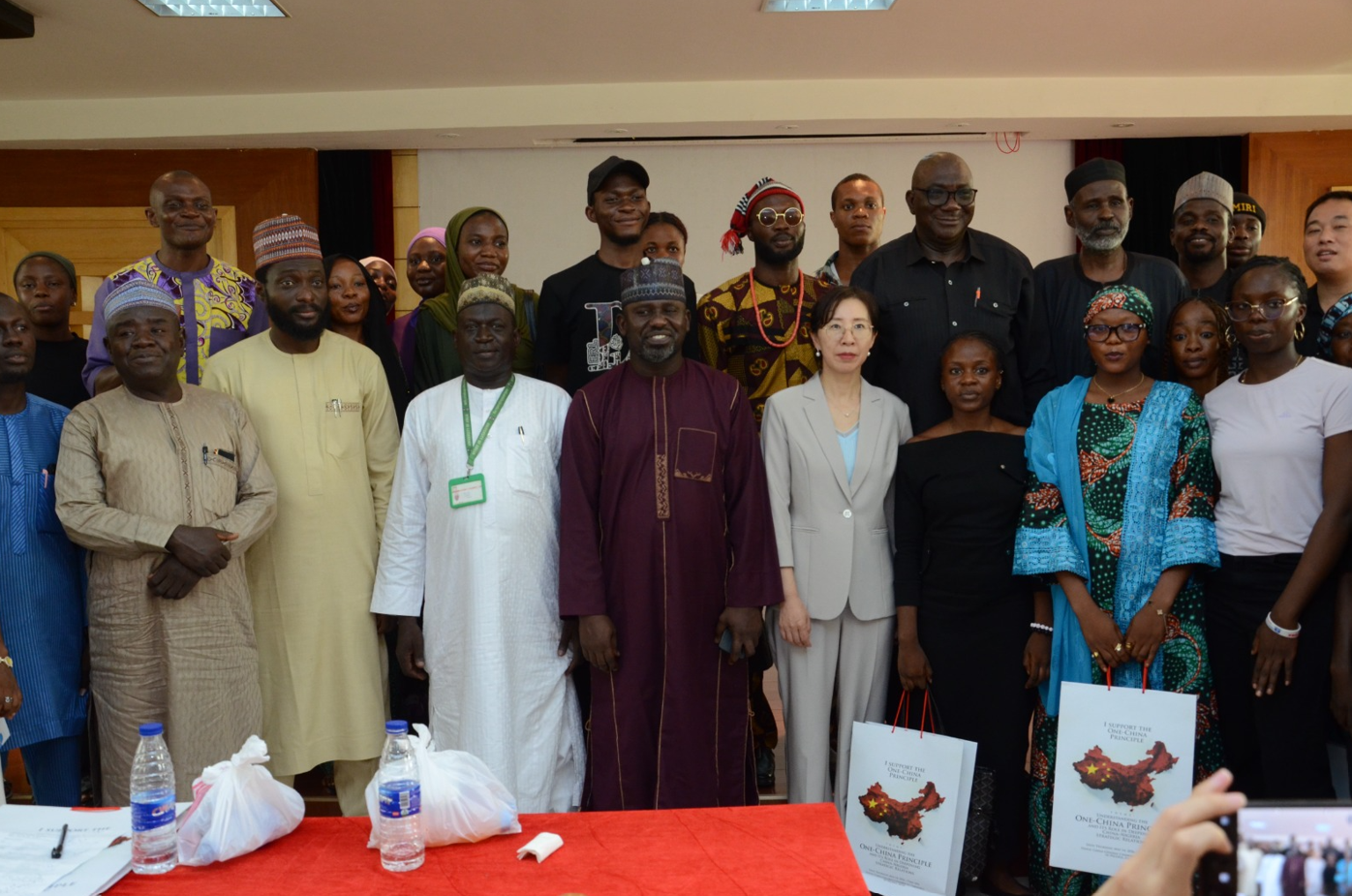
Stakeholders in diplomacy, academia and media have reaffirmed Nigeria’s commitment to the One-China Principle, describing it as the foundation of the enduring strategic partnership between Nigeria and the People’s Republic of China.
The position was reiterated during a Media Salon on the One-China Principle held at the China General Chamber of Commerce in Nigeria, Abuja, under the theme: “Understanding the One-China Principle and Its Role in Deepening China–Nigeria Strategic Relations.”
The event was organised by the Centre for China Studies and the Centre for Contemporary China-Africa Research in collaboration with the Chinese Embassy in Nigeria.
In her remarks, Dong Hairong, Counsellor at the Chinese Embassy in Nigeria, said the international community must maintain clarity on the Taiwan question and resist what she described as “deceptive propaganda” by Taiwan authorities pushing for independence.
She stressed that Taiwan has historically been part of China and that the People’s Republic of China remains the sole legitimate government representing all of China under international law and United Nations Resolution 2758.
According to her, attempts by Taiwan’s leadership to expand what he called separatist activities undermine international consensus and threaten regional stability.
The Chinese envoy also referenced recent developments involving Taiwan leader Lai Ching-te, including a visit to Eswatini and engagements involving some Nigerian journalists with Taiwanese officials, warning against actions that could contradict Nigeria’s long-standing adherence to the One-China Principle.
She noted that Nigeria has consistently reaffirmed its recognition of the People’s Republic of China as the only legitimate government of China since diplomatic ties were established in 1971.
Dong Hairong recalled that during President Bola Ahmed Tinubu’s state visit to China in September 2024, Nigeria reiterated its support for China’s sovereignty and territorial integrity, including recognition of Taiwan as an inalienable part of China.
The counselor said the One-China Principle remains the political bedrock of China-Nigeria relations, which he noted have grown into a comprehensive strategic partnership with expanding economic and infrastructural cooperation.
Highlighting recent cooperation, she cited the handover of the new Economic Community of West African States headquarters complex in Abuja, built with Chinese assistance, as well as China’s implementation of zero-tariff treatment for exports from 53 African countries with diplomatic ties to Beijing, including Nigeria.
She explained that the policy would provide broader access for Nigerian agricultural products such as sesame, ginger, cocoa and cashew nuts into the Chinese market.
Dong Hairong urged Nigerian journalists to adopt objective and accurate terminology in reporting Taiwan-related issues, warning against descriptions that imply Taiwan is a sovereign state.
Speaking at the event, Prof. Sheriff Ghali Ibrahim, Director of the Centre for Contemporary China-Africa Research, described global support for the One-China Principle as overwhelming, noting that 53 out of 54 African countries recognise Beijing.
He argued that Taiwan is not a sovereign state under international law and said the majority of countries across Africa, Asia, Latin America and other regions support the position that there is only one China.
Prof. Ghali commended China’s approach to the Taiwan issue, describing Beijing as patient in pursuing peaceful reunification despite long-standing political differences across the Taiwan Strait.
According to him, successive Chinese leaders from Mao Zedong to Xi Jinping have consistently promoted peaceful reunification under the “One Country, Two Systems” framework.
He also criticised Eswatini for maintaining diplomatic relations with Taiwan, expressing optimism that the Southern African kingdom would eventually align with the broader African consensus supporting Beijing.
On his part, Prof. Sam Amadi provided a broader diplomatic and legal interpretation of the One-China Principle and the One-China Policy, explaining that while they are often used interchangeably, they differ in meaning and application.
He explained that the One-China Principle reflects Beijing’s position that there is only one China under the sovereignty of the People’s Republic of China, while the One-China Policy represents how other countries acknowledge and manage relations around that position.
Amadi noted that many countries maintain what he described as “strategic ambiguity,” acknowledging Beijing diplomatically while still engaging Taiwan economically and commercially.
He argued that African countries should avoid formal diplomatic relations with Taiwan while carefully calibrating trade and investment engagements to ensure they do not contradict international law or existing commitments to Beijing.
The legal scholar acknowledged China’s growing developmental footprint across Africa, especially in infrastructure and regional integration projects, noting that China has emerged as one of Africa’s most significant development partners in recent decades.
He, however, cautioned against what he termed “sovereignty for rent,” alleging that some countries recognise Taiwan in exchange for economic incentives.
Other speakers, including Charles Onunaju, Segun Showunmi and Prof Mukhtar Imam, called for stronger public understanding of the One-China Principle and deeper cooperation between Nigeria and China in trade, infrastructure, cultural exchanges and diplomatic engagement.





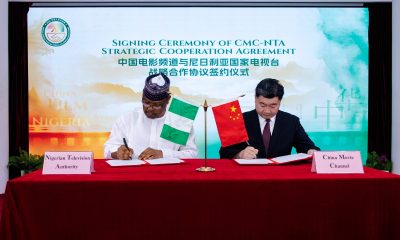


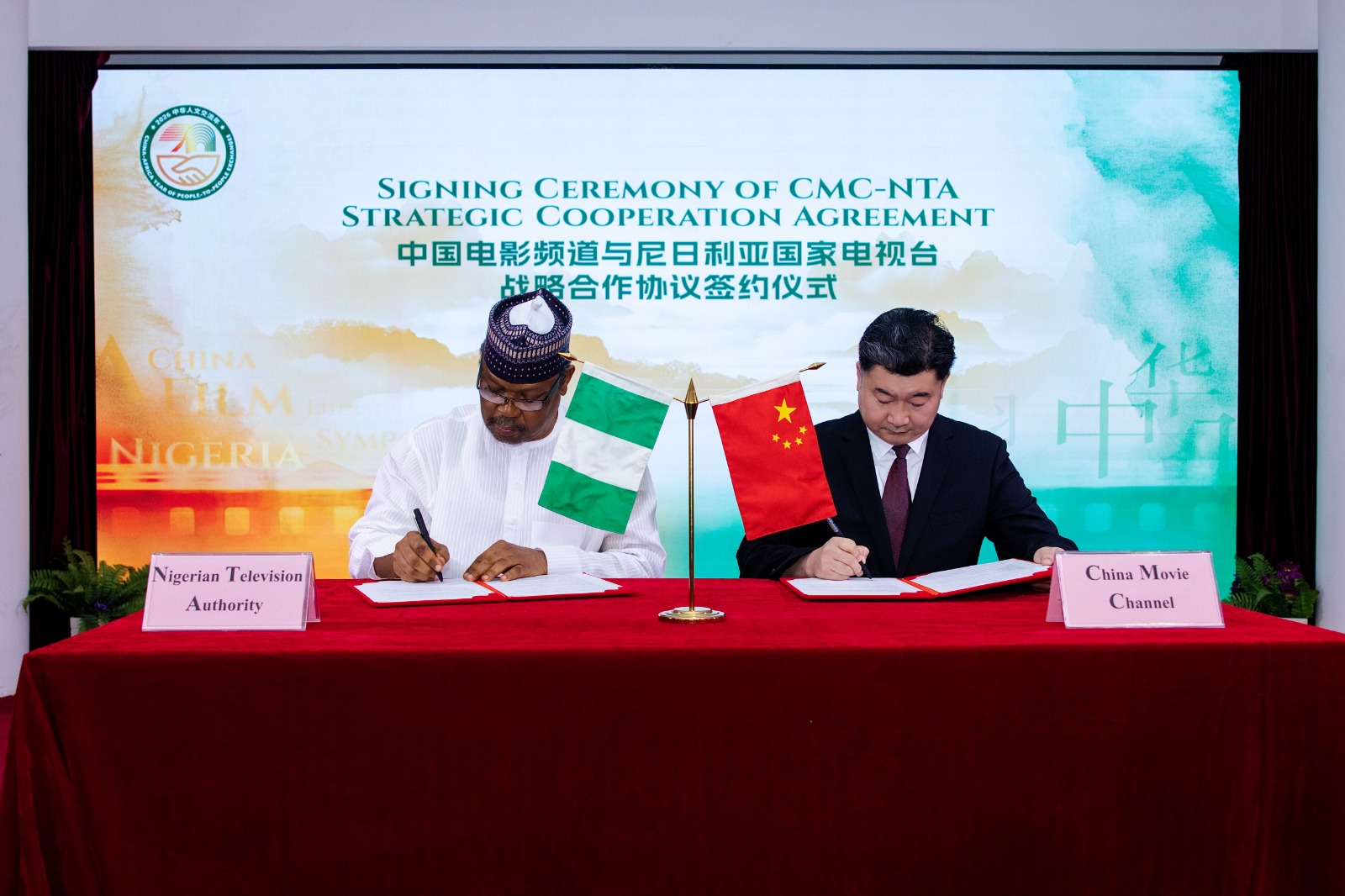
The China Movie Channel (CMC) and the Nigerian Television Authority (NTA) have entered into a strategic partnership to expand the exchange of film and television content and deepen cultural cooperation between Nigeria and China.
The agreement was signed on Friday at the China Cultural Centre in Abuja during the China-Nigeria Film and Literature Symposium, which brought together government officials, broadcasters, writers and creative industry practitioners from the two countries.
The partnership is expected to create fresh opportunities for Nigerian and Chinese audiences to access each other’s film productions, while encouraging greater interaction between professionals in the two creative industries.
Speaking at the ceremony, Chinese Ambassador to Nigeria, Yu Dunhai, said the agreement represented an important development in efforts to strengthen friendship and mutual understanding between the peoples of both countries.
He said film and literature serve as powerful vehicles through which societies preserve their histories, express their values and communicate their experiences to audiences beyond their borders.
Yu noted that Nigeria and China have rich literary traditions and vibrant film industries, pointing to the contributions of leading writers and filmmakers from both countries to global culture.
He said the growing circulation of Nigerian and Chinese creative works had already enabled audiences in both countries to gain a better appreciation of their respective cultures.
The ambassador cited the popularity of Chinese films among Nigerian audiences and the growing interest in Nigerian productions in China as evidence of the potential for further cultural cooperation.
According to him, the CMC-NTA agreement would provide an additional platform for strengthening these exchanges and creating opportunities for professionals in the film and television sectors to work together.
Also speaking, NTA Director-General, Salihu Abdulhamid Dembos, described the partnership as an opportunity to convert the longstanding friendship between Nigeria and China into practical cooperation within the creative economy.
Dembos said the agreement would support areas such as content sharing, joint production, professional development and technological cooperation.
He expressed confidence that the partnership would benefit filmmakers, broadcasters, writers and emerging talents by providing opportunities for knowledge sharing and access to new markets.
The NTA chief said the collaboration was also consistent with the authority’s drive to modernise its operations and strengthen its position as a competitive public broadcaster in the digital era.
He urged both organisations to pursue concrete initiatives capable of producing visible benefits for audiences and creative professionals in Nigeria and China.
Cui Binzhen, Editor-in-Chief of China Movie Channel, said the agreement would establish a framework for more regular interaction between the two broadcasting organisations.
Cui said the initiative was particularly significant because of the longstanding diplomatic relationship between Nigeria and China and the growing importance of cultural exchanges in strengthening bilateral relations.
He said CMC had accumulated considerable experience in promoting Chinese cinema internationally, having broadcast thousands of films and organised China Film Weeks in countries across the world.
According to him, the channel intends to use the partnership with NTA to further explore stories that showcase the relationship between the two countries and promote greater understanding through cinema.
The event also featured the China-Nigeria Film and Literature Symposium, which provided an opportunity for participants to examine the role of film and literature in reflecting social realities and promoting dialogue between peoples.
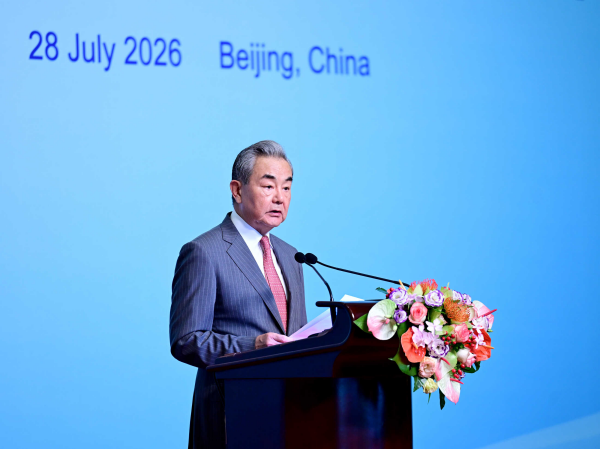
China has called for a renewed global commitment to sustainable development, urging countries to strengthen multilateral cooperation, increase development financing and embrace innovation to address widening inequalities and accelerate progress toward the United Nations Sustainable Development Goals (SDGs).
Chinese Foreign Minister Wang Yi made the appeal while addressing the High-Level Meeting on the Global Development Initiative (GDI), held to commemorate the fifth anniversary of the initiative proposed by President Xi Jinping during the 76th session of the United Nations General Assembly.
The meeting, jointly organised by China and UN agencies, brought together representatives to assess the progress of the initiative and discuss strategies for advancing global development amid mounting economic and geopolitical challenges.
Wang said the Global Development Initiative has evolved into a broad international cooperation platform over the past five years, attracting widespread participation from countries and international organisations.
According to him, more than 130 countries and international organisations have expressed support for the initiative, while nearly 100 countries and regional organisations have entered into cooperation agreements with China under the framework.
He said the initiative has also established a growing network of institutions dedicated to advancing development cooperation. These include the Group of Friends of the GDI, which now has 88 member states, and a UN task force involving more than 20 development agencies working to support implementation of the 2030 Agenda for Sustainable Development.
Wang highlighted China’s financial contributions to global development, noting that more than US$23 billion has been mobilised through development funds, including the China-UN Peace and Development Fund and the Global Development and South-South Cooperation Fund.
He said the resources have supported more than 1,800 community-based projects focused on improving livelihoods and have provided vocational and professional training opportunities for over 200,000 people.
The Chinese foreign minister cited several flagship programmes under the initiative, including China’s juncao technology for poverty reduction, the Sustainable Development Science Satellite-1 (SDGSAT-1), and the MAZU platform, which provides meteorological data and disaster early-warning services to developing countries.
He said these projects have benefited communities across more than 120 countries.
Despite these achievements, Wang warned that the global development agenda is facing increasing pressure as conflicts, economic instability and the growing development gap between developed and developing countries continue to undermine implementation of the SDGs.
He stressed that restoring development as a central priority of international cooperation is essential to securing long-term global peace and prosperity.
To that end, Wang outlined four areas requiring collective action. He called for stronger international solidarity to preserve peace and stability, increased investment and cooperation to accelerate sustainable development, expanded collaboration in science and technology to narrow digital and artificial intelligence divides, and reforms to global economic governance to better reflect the interests of developing countries.
On technological cooperation, Wang pointed to the recent establishment of the World Artificial Intelligence Cooperation Organization (WAICO), launched by China alongside 28 other countries, as a platform designed to promote inclusive AI governance and expand access to emerging technologies for developing nations.
He also urged developed countries to fulfil their commitments on development financing and called for closer international coordination as preparations begin for discussions on the post-2030 global development framework.
Turning to China’s domestic economy, Wang said the country’s steady growth demonstrates resilience despite a difficult international environment.
He noted that China’s gross domestic product expanded by 4.7 per cent during the first half of 2026, despite the impact of global energy shortages and disruptions to international industrial and supply chains.
Wang said China would continue to integrate its own development with global progress, deepen partnerships with countries across the Global South and contribute to building a more inclusive and equitable international development system.
He reaffirmed Beijing’s commitment to implementing the Global Development Initiative and sharing development opportunities with countries around the world as part of its broader vision of building a community with a shared future for humanity.
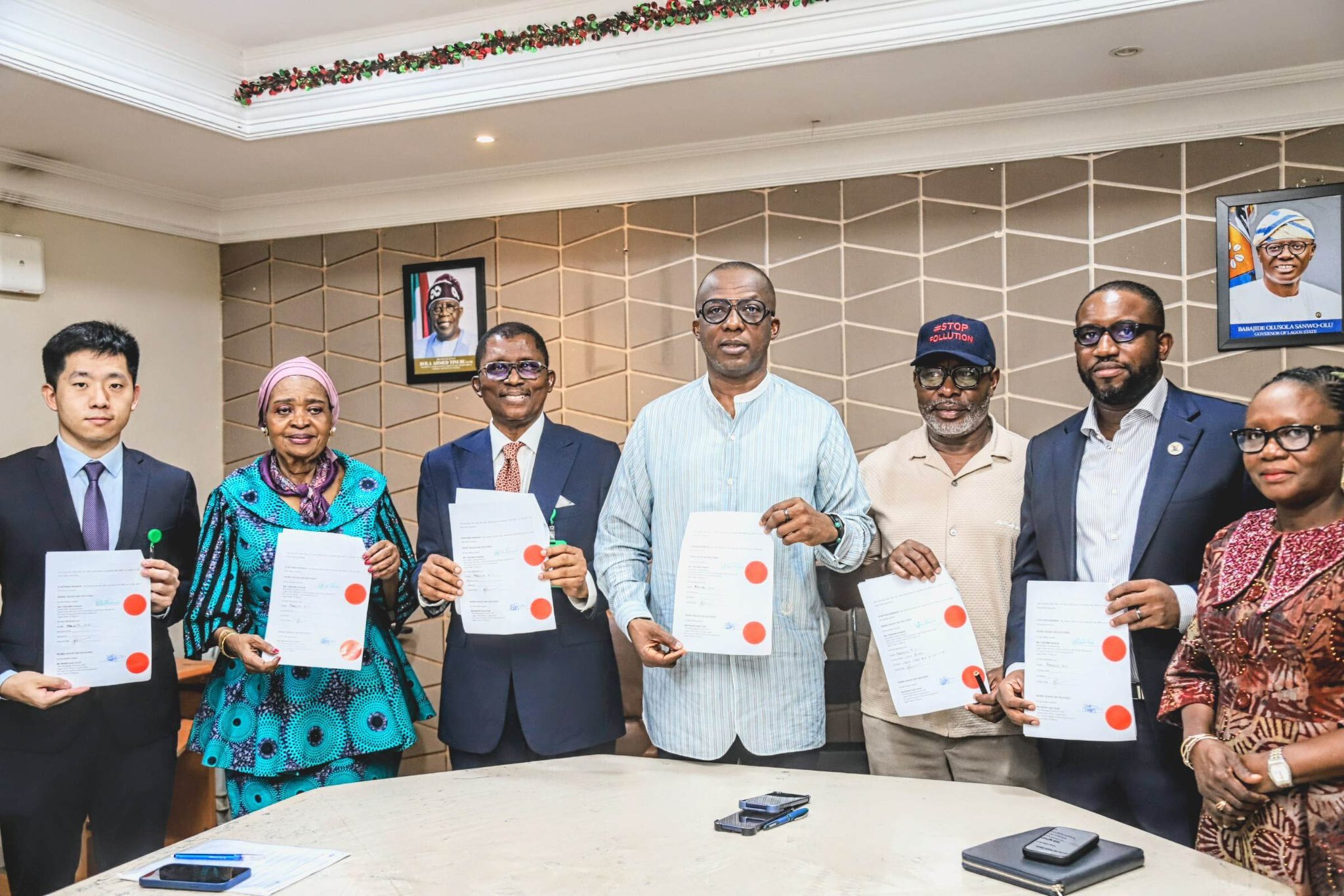
The Lagos State Government has partnered with a Chinese-led consortium to expand access to potable water across the state through the development of critical water infrastructure projects.
The partnership was formalised with the signing of a Memorandum of Understanding (MoU) between the Lagos State Government, China Harbour Engineering Company (CHEC) and Naston Engineering Nigeria Limited on Thursday, July 9, 2026, marking the commencement of the scoping and definition of key components of the state’s water infrastructure development.
According to a statement published by the Lagos State Government, the Commissioner for the Environment and Water Resources, Mr. Tokunbo Wahab, described the agreement as a significant milestone in the state’s efforts to strengthen water supply infrastructure and provide sustainable, safe and reliable potable water for its rapidly growing population.
Wahab explained that the one-year MoU establishes a collaborative framework for the development of two strategic project lots that will serve as the foundation for the next phase of water infrastructure expansion across Lagos.
He said the first project lot will focus on the installation of a water transmission pipeline beneath the Lagos Lagoon into the Lekki Concession Area, while the second will define downstream distribution activities, including metering and last-mile water connections within the concession area.
According to the commissioner, the engagement is expected to produce a comprehensive technical report and implementation framework that will guide the execution of the projects and facilitate the preparation of a concession agreement between the Lagos State Government and the consortium.
He noted that the exercise would also provide the technical and commercial framework required to move the projects into the implementation phase.
Speaking on behalf of Naston Engineering Nigeria Limited, the company’s Managing Director, Mr. Kole Funsho, expressed appreciation to the Lagos State Government for its confidence in the consortium, describing the MoU as the beginning of a process that would culminate in the delivery of a robust and bankable water infrastructure project.
Funsho said the agreement clearly outlines the scope of the proposed concession and reaffirmed the consortium’s commitment to delivering the required technical studies within the stipulated timeframe, or even ahead of schedule.
He disclosed that the consortium would prepare detailed engineering designs, project cost estimates and tariff structures needed to support the final concession agreement with the state government.
According to him, successful execution of the assignment will require close collaboration with the Ministry of the Environment and Water Resources and other relevant government agencies to obtain critical drainage and infrastructure data necessary to properly align the proposed transmission pipelines without disrupting existing roads, drainage systems and other public infrastructure.
Funsho expressed optimism that the partnership would pave the way for the successful implementation of the projects, significantly improving potable water supply and strengthening water infrastructure for residents across Lagos State.

Zulum Calls for Shift From Tractor Ownership to Modern Agricultural Services

Jingir Defends Support for Muslim-Muslim Ticket, Says He Has No Regret

Candef Energies Opens Business Complex, Targets Job Creation in Kogi
-

 Business24 hours ago
Apple to change app consent rules after German regulator’s concerns
-
 News13 hours ago
Use Ugwuele Artefacts to Promote Igbo Unity, Prof Madubuike Urges Ohanaeze
-

 News18 hours ago
Security Collaboration Boosts Delta’s Peace, Economic Growth, Oborevwori Says
-
 News24 hours ago
Gov Kefas Sends Taraba Lawmakers, LG Chairmen to Jaji for Leadership Course
-
 Lifestyle23 hours ago
What Can You Become After Studying Political Science in Nigeria? 15 Career Paths to Consider
-
 News18 hours ago
Foreign Affairs Minister Appoints Elesho, Oni as New Media Aides
-

 News20 hours ago
Group Threatens Legal Action Against Akutah Over Alleged Breach of Presidential Directive
-

 News24 hours ago
Taraba Offers Land, Infrastructure for Army 10 Division Take-Off in Jalingo
You must be logged in to post a comment Login