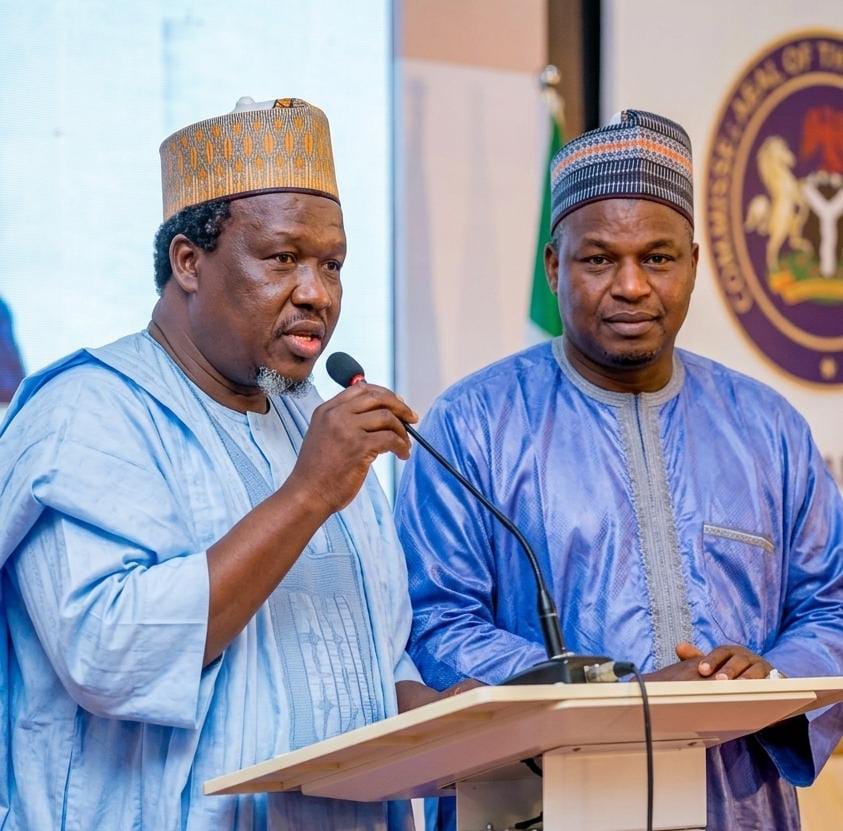

The appointment of Alhaji Ibrahim Kabiru Masari as Special Adviser on Political Affairs to President Bola Ahmed Tinubu has been met with widespread commendation, with party leaders and stakeholders describing it as a strategic step toward strengthening the ruling party and advancing national development.
In a congratulatory message, Hon. Dattuwa Ali Kumo, Chairman of the Board of Trustees of the Industrial Training Fund (ITF) and Deputy National Financial Secretary of the All Progressives Congress (APC), hailed Masari’s elevation as “a well-deserved recognition of his loyalty, competence, and political acumen.”
Hon. Dattuwa emphasized that Masari’s appointment comes at a crucial time when the APC must consolidate its leadership and foster unity across diverse political interests. He noted that Masari’s vast experience and inclusive approach will not only strengthen the party’s internal cohesion but also provide President Tinubu with valuable counsel in navigating Nigeria’s complex political landscape.
“Alhaji Kabiru Masari has consistently demonstrated resilience and a deep commitment to progressive governance. His new role will serve as a vital link between government and party structures, ensuring that the APC remains responsive to the aspirations of Nigerians while guiding the President toward policies that promote growth and stability,” Hon. Dattuwa stated.
Political observers agree that Masari’s appointment underscores President Tinubu’s determination to surround himself with trusted allies who possess both political depth and organizational skill. Analysts believe that Masari’s advisory role will enhance the administration’s political strategies, strengthen the APC’s grassroots presence, and contribute to the overall growth of the country.
Stakeholders across the APC have expressed optimism that Masari’s new position will play a significant role in shaping the party’s future direction and ensuring the success of President Tinubu’s government. For many, his appointment is seen not only as a recognition of his personal qualities but also as a step toward building a more inclusive and responsive political structure that aligns with the aspirations of Nigerians.