
News
EFCC Seeks Stronger Collaboration Among Anti-Graft Agencies to Tackle Procurement Fraud

By Francis Wilfred
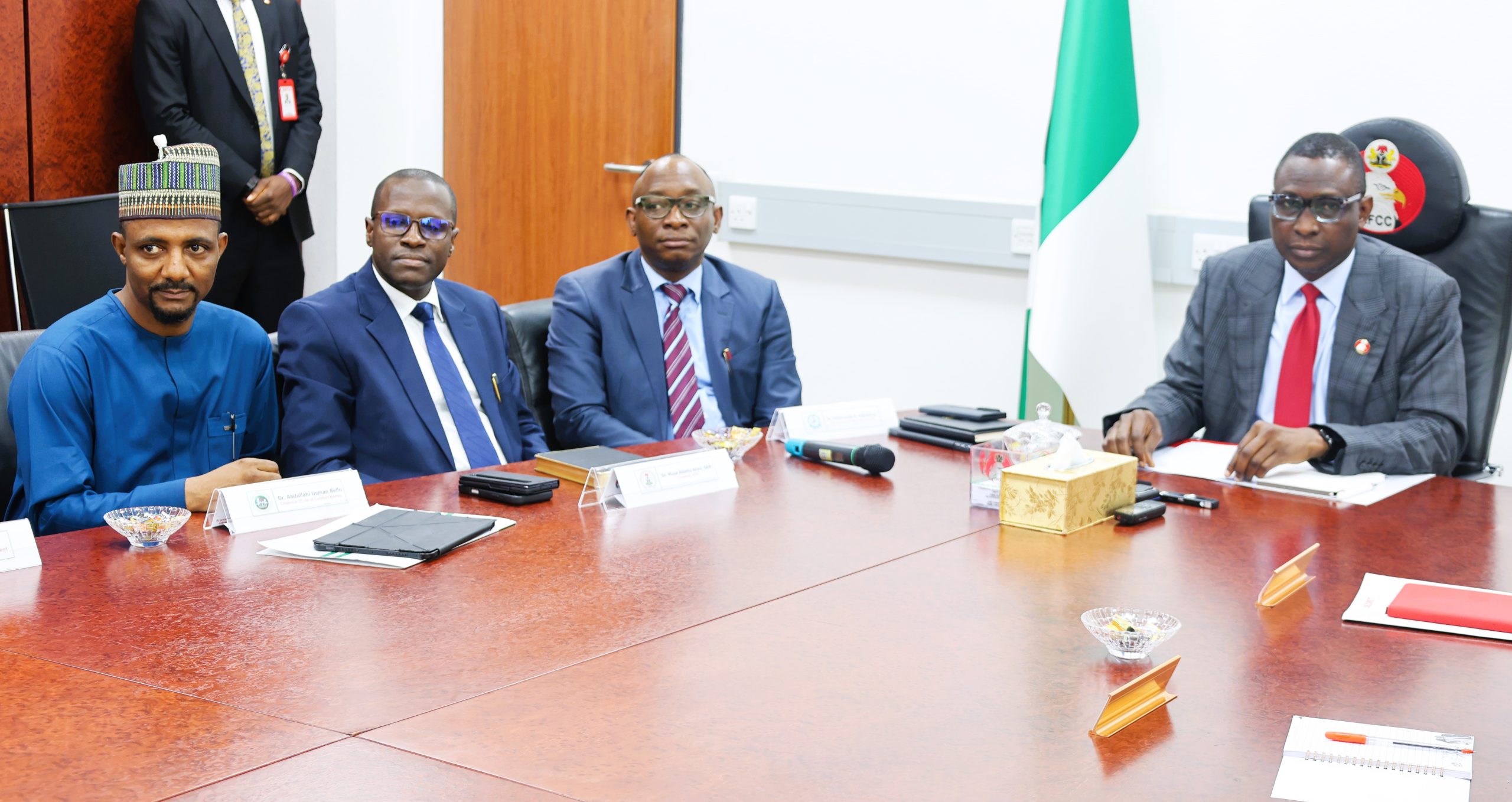
The Chairman of the Economic and Financial Crimes Commission (EFCC), Ola Olukoyede, has called for stronger collaboration among Nigeria’s anti-corruption agencies to combat procurement and contract fraud, describing it as the largest source of public sector corruption in the country.
Olukoyede made the call during a strategic roundtable meeting at the EFCC headquarters in Abuja on Wednesday. The meeting brought together the Chairman of the Independent Corrupt Practices and Other Related Offences Commission (ICPC), Musa Adamu Aliyu; the Chairman of the Code of Conduct Bureau (CCB), Abdullahi Usman Bello; and the Director-General of the Bureau of Public Procurement (BPP), Adebowale Adedokun.
According to a statement signed by EFCC Head of Media and Publicity, Dele Oyewale, the meeting was aimed at developing a stronger framework for collaboration among the EFCC, ICPC, CCB and BPP in tackling corruption, economic crimes and financial misconduct.
Speaking at the meeting, Olukoyede said procurement and contract fraud account for more than 80 per cent of corruption cases in Nigeria’s public sector.
He noted that curbing procurement fraud would significantly improve the economy, healthcare, social development and public service delivery.
The EFCC chairman stressed that anti-corruption efforts should focus not only on prosecuting offenders but also on preventing fraud through stronger risk management systems. He explained that the BPP, as the regulator of public procurement, possesses technical expertise needed by law enforcement agencies to effectively investigate procurement-related offences.
According to him, closer collaboration between the BPP and anti-graft agencies would help detect irregularities early, strengthen oversight and reduce opportunities for corruption.
Olukoyede also observed that several provisions of the Public Procurement Act remain underutilised and could enhance anti-corruption efforts if fully implemented.
He advocated joint investigations, collaborative project monitoring, enhanced intelligence sharing and regular capacity-building programmes among the agencies.
The EFCC chairman further proposed the development of a Standard Operating Procedure (SOP) to clearly define the responsibilities of participating institutions while ensuring confidentiality in information management.
He disclosed that the agencies plan to hold similar meetings every quarter to review progress and strengthen their coordinated response to corruption.
Supporting the initiative, ICPC Chairman Musa Adamu Aliyu said stronger cooperation among anti-corruption agencies would boost public confidence in the government’s anti-corruption drive.
He noted that corruption petitions are often submitted to multiple agencies, resulting in duplication of efforts and operational inefficiencies.
Aliyu called for technology-driven solutions to facilitate information sharing and eliminate overlaps in investigations, while urging agencies to continue referring cases outside their statutory mandates to the appropriate institutions.
The Chairman of the Code of Conduct Bureau, Abdullahi Usman Bello, described corruption as a major obstacle to national development, revealing that trillions of naira have been lost to corrupt practices over the years.
He identified procurement fraud as one of the biggest challenges confronting the public sector and called for stronger collaboration among the CCB, EFCC, ICPC and the Nigerian Financial Intelligence Unit (NFIU) to enhance intelligence gathering and enforcement.
In his presentation, BPP Director-General Adebowale Adedokun stressed the need for sustained public procurement reforms.
He warned that weak procurement systems often lead to waste, cost overruns, abandoned projects, substandard infrastructure and widespread corruption.
Adedokun maintained that the most effective anti-corruption strategy is to build procurement systems that prevent wrongdoing before it occurs.
He identified legal and institutional reforms, stronger governance and accountability, strategic procurement, digital procurement and improved market operations as key measures for promoting transparency and efficiency in public procurement.
Participants also examined challenges including procurement without cash backing, abuse of procurement laws and deliberate violations of established procedures, agreeing that sustained inter-agency collaboration is essential to addressing the problems.
By Achadu Gabriel, Kaduna
The Northern States Governors’ Forum (NSGF) has appointed former Chief of Defence Staff, Gen. Martin Luther Agwai (rtd), and former Minister of Defence and Head of the Civil Service of the Federation, Alhaji Mahmud Yayale Ahmed, as co-chairmen of the Northern Nigeria Security Trust Fund Board.
The inauguration, held at Sir Kashim Ibrahim House in Kaduna, marks a major step in the North’s regional response to worsening insecurity.
The board comprises retired military officers and former security chiefs drawn from the 19 northern states to provide strategic oversight, mobilise resources, enhance intelligence sharing and coordinate efforts against banditry, terrorism, kidnapping and cattle rustling.
Other members include former Chief of Army Staff, Lt. Gen. Faruk Yahaya (Sokoto); former Inspector-General of Police, Usman Alkali Baba (Yobe); former Secretary to the Government of the Federation, Boss Mustapha (Adamawa); Sen. Napoleon Bali (rtd) (Plateau); former Deputy Inspector-General of Police, Hafiz Inuwa (Jigawa); AVM Kabiru Aliyu (Taraba); Prof. Usman Tar (Borno); Maj. Gen. A.M. Dikko (Niger); AIG Sunday Babaji (Gombe); AVM Farouk Omeiza Umar (Kogi); Maj. Gen. Muhammad Sani (Kano); Maj. Gen. Bello Sarkin Yaki (Kebbi); Maj. Gen. John Malu (Benue); and Brig. Gen. Ibrahim Agbab (Kwara), among others.
Speaking at the inauguration, NSGF Chairman and Governor of Gombe State, Muhammadu Inuwa Yahaya, said the Trust Fund would complement, rather than replace, the efforts of the Federal Government and security agencies.
He said the initiative must remain focused, responsive and credible, stressing that its success would be measured by its ability to protect lives and property.
The governors also resolved that each of the 19 northern states, alongside their local government councils, would contribute ₦1 billion monthly for 12 months to fund the initiative.
Traditional rulers, led by the Sultan of Sokoto, Alhaji Sa’ad Abubakar III, endorsed the initiative, describing it as a practical and long-overdue response to the region’s security challenges.
By Francis Wilfred
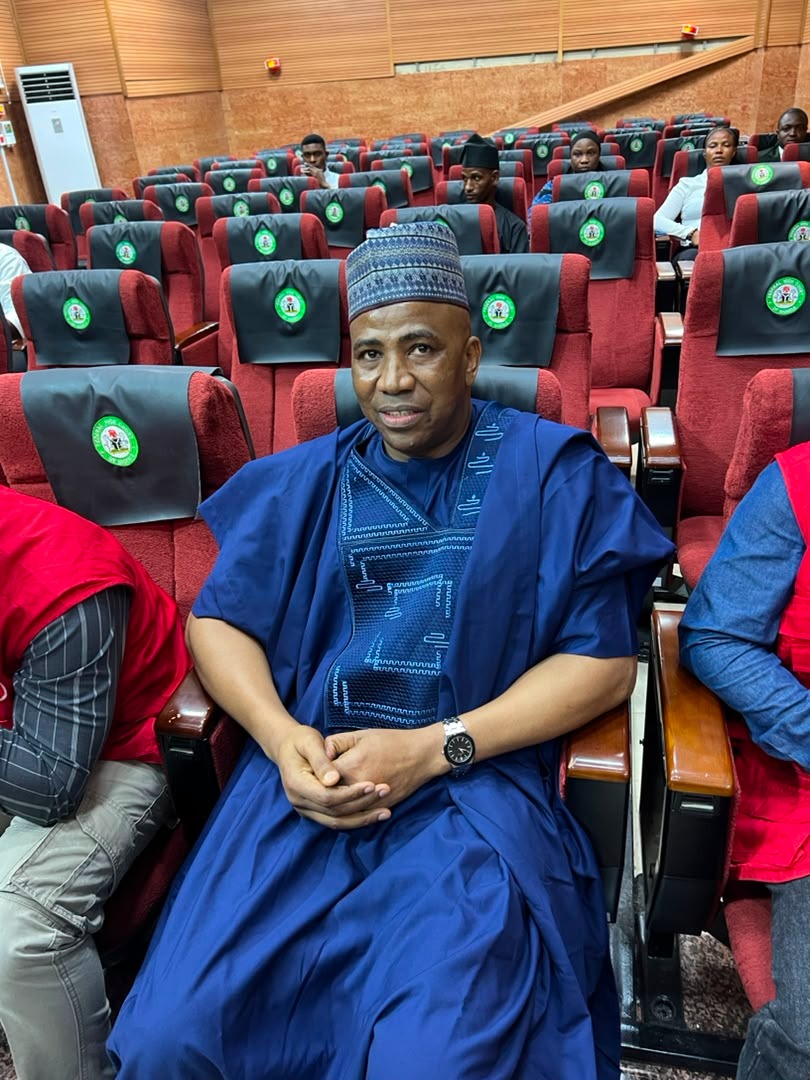
The Economic and Financial Crimes Commission (EFCC) has arraigned the leader of Miyetti Allah Kautal Hore, Bello Abdullahi Bodejo, before the Federal High Court in Abuja over an alleged $2.33 million money laundering case.
Bodejo was arraigned before Justice Inyang Edem Ekwo on a 12-count charge bordering on money laundering and unlawful cash transactions, contrary to the provisions of Nigeria’s anti-money laundering laws.
At the commencement of proceedings, EFCC counsel, Wahab Shittu (SAN), informed the court that the 12-count charge was dated June 24 and filed on June 25, 2026, and urged the court to allow the defendant to take his plea. The request was granted.
One of the charges alleged that Bodejo knowingly accepted $100,000 in cash from Sa’idu Abubakar, a former Accountant-General of Bauchi State, on January 11, 2022, in Abuja.
According to the EFCC, the transaction exceeded the legal cash transaction threshold of N5 million and was not processed through a financial institution as required by law.
Another count alleged that he received $980,000 in cash from the same former government official on February 7, 2024, also in Abuja, without routing the funds through a financial institution.
The anti-graft agency maintained that the transactions violated the provisions of the Money Laundering (Prevention and Prohibition) Act, 2022.
The prosecution told the court that the alleged transactions formed part of a wider pattern of cash dealings amounting to about $2.33 million.
When the charges were read, Bodejo pleaded not guilty to all 12 counts.
Following the plea, Shittu asked the court to fix a date for trial and remand the defendant in the custody of the Nigerian Correctional Service pending further proceedings.
However, defence counsel, Ahmed Raji (SAN), urged the court to grant his client bail, relying on a bail application filed on June 30, 2026.
The prosecution opposed the application, relying on a 28-paragraph counter-affidavit filed on July 6, 2026.
Shittu argued that the defendant posed a public risk and could interfere with witnesses or obstruct the course of justice if released. He also informed the court that the Department of State Services (DSS) had an interest in the matter.
After hearing both parties, Justice Ekwo ordered that Bodejo be remanded in the EFCC holding facility pending a ruling on his bail application.
The court adjourned the matter until July 20, 2026, for ruling on the bail application.
News
Aniekan Bassey Reaffirms Senate’s Commitment to Healthcare Reform at National Assembly Public Hearing
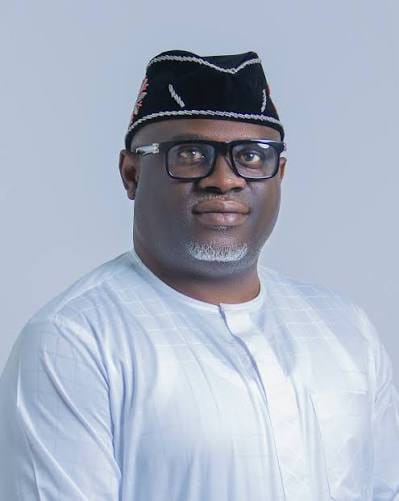
Chairman of the Senate Committee on Diaspora and Non-Governmental Organizations (NGOs), Senator Aniekan Bassey, has reaffirmed the 10th Senate’s commitment to strengthening Nigeria’s healthcare system through far-reaching legislative reforms aimed at improving the quality, accessibility, and regulation of health services across the country.
Senator Bassey made the declaration while representing the President of the Senate, Senator Godswill Akpabio, GCON, at the National Assembly’s Public Hearing on key healthcare bills, where he also formally declared the event open.
The public hearing brought together the Honourable Minister of State for Health and Social Welfare, Dr. Iziaq Adekunle Salako, lawmakers, healthcare professionals, regulatory agencies, and other critical stakeholders to deliberate on legislative measures expected to transform Nigeria’s health sector.
Speaking at the event, Senator Bassey emphasized that the 10th Senate remains focused on enacting people-oriented legislation that bridges the gap between policy formulation and the healthcare needs of ordinary Nigerians. He noted that improving healthcare delivery is central to the National Assembly’s legislative agenda and is essential to national development.
He explained that deliberations centered on two landmark bills designed to strengthen Nigeria’s healthcare architecture.
The first, the University Teaching Hospitals Act (Amendment) Bill, seeks to modernize the country’s teaching hospitals by improving clinical training, upgrading medical infrastructure, and enhancing service delivery to align with global best practices.
The second, the National Health Facilities Regulatory Agency Bill, proposes the establishment of a regulatory framework that will enforce high professional standards, improve oversight, and guarantee patient safety across public and private healthcare facilities nationwide.
According to Senator Bassey, the proposed legislation reflects the Senate’s determination to build a healthcare system that is resilient, efficient, accountable, and capable of meeting the growing needs of Nigerians.
He expressed appreciation to the President of the Senate for the confidence reposed in him to represent the leadership of the National Assembly at the important national engagement, describing Senator Akpabio’s dedication to the welfare of Nigerians as a driving force behind the ongoing legislative reforms.
Senator Bassey stressed that lawmakers have a moral and constitutional responsibility to safeguard the lives and well-being of citizens through sound legislation that strengthens public institutions and improves service delivery.
He assured Nigerians that the Senate would continue to work with the Executive, healthcare professionals, and relevant stakeholders to enact laws that promote quality healthcare, protect patients, and expand access to affordable medical services across the country.
He added that the ultimate objective is to build a professional, accessible, and sustainable healthcare system that serves every Nigerian, irrespective of social or economic status.

NSGF Appoints Ex-CDS, Former Defence Minister Co-Chairmen of Northern Security Trust Fund

EFCC Arraigns Miyetti Allah Leader Bodejo Over Alleged $2.33 Million Money Laundering

Jarvis Speaks Out Against ‘Mr. Ibu’ Comparisons, Calls Remarks Body-Shaming
-
 News10 hours ago
Taraba Assembly Confirms TSIEC Chairman, Seven Commissioners to Strengthen Electoral Administration
-
 News9 hours ago
Morning Recap: Tinubu Meets Security Chiefs, Rejects Two Bills, Troops Arrest Terrorists’ Drug Courier
-
 News9 hours ago
UK-Based Nigerian Lawyer Applies to Renounce Nigerian Citizenship
-

 Uncategorized20 hours ago
Court gives Al-Qaeda-affiliated Terrorist Group Commander Arrested By DSS July 20 Deadline To Change Plea
-
 China5 hours ago
Lagos Partners China Harbour to Expand Access to Potable Water
-
 News4 hours ago
Aniekan Bassey Reaffirms Senate’s Commitment to Healthcare Reform at National Assembly Public Hearing
-

 Sports5 hours ago
World Cup Quarter-Final Ticket Prices Drop After USA and Portugal Exits
-
 News10 hours ago
Peace Corps Seeks Partnership with Taraba Government to Strengthen School Security, Safeguard Free Education Policy
You must be logged in to post a comment Login