
By Idris Abubakar
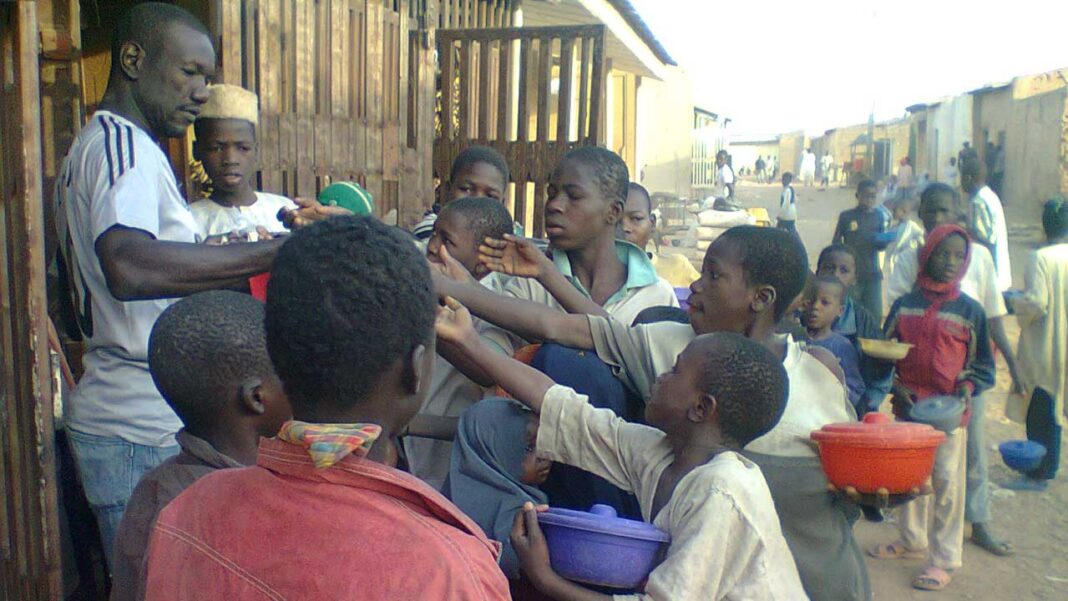
The Almajiri system in northern Nigeria has increasingly come under scrutiny due to its deteriorating structure and the serious security challenges associated with it. In many communities across the region, Almajiri children—often between the ages of 5 and 6—are sent by their parents to urban centres to study the Holy Qur’an under Islamic teachers known as Mallams. However, the system, once respected for its moral and academic discipline, has significantly declined, leaving thousands of children vulnerable.
Under the current system, many Almajiri pupils, typically boys aged 15 to 30 as they grow older, are left without adequate shelter, food or supervision. They spend much of their time on the streets seeking alms to survive. This exposure has made them susceptible to exploitation, social neglect and, in extreme cases, recruitment for criminal or violent activities.
Observers note that some Almajiri youths have become entangled in crises that characterise certain religious or ethnic conflicts in northern Nigeria. Their constant presence on the streets makes them easily accessible for manipulation during unrest or political tension. While many pupils eventually complete their Qur’anic studies and pursue trades such as driving, petty business, or craftsmanship, others who do not complete the system find themselves confined to menial jobs with limited prospects.
The system’s decline is often traced to the disruptions that came with colonial rule. Unlike the pre-colonial era—when Almajiri learners received community support and were not required to beg—the modern system lacks structure, oversight and welfare. As a result, many children face health risks, exploitation, hunger, and inadequate guidance.
The effects of the weakened system extend beyond individual hardship. Security experts warn that the failures of the Almajiri system have national implications. The lack of formal education, extreme poverty and social isolation make some Almajiri youths vulnerable to radicalization by extremist groups such as Boko Haram. Others may be drawn into criminal activities, political thuggery or violent protests.
In states like Kano, the shortcomings of the system are particularly visible. Critics argue that the absence of a comprehensive Islamic education framework and insufficient government intervention have allowed street begging to persist on a large scale. Politically, some Almajiri youths have been used as instruments of violence during elections, while economically, crises sometimes lead to opportunistic looting and vandalism.
If the system’s challenges remain unaddressed, analysts warn of potential increases in crime, social unrest and long-term threats to national development. The socio-economic implications could include heightened insecurity, reduced productivity and a generation of youths unable to compete in modern society.
To mitigate these risks, experts recommend a comprehensive reform of the Almajiri system. This includes integrating Qur’anic education with formal schooling, providing vocational training, and offering structured community support. Creating opportunities for legitimate employment and skills development would not only improve socioeconomic outcomes but also reduce vulnerability to extremist recruitment.
In conclusion, addressing the failures of the Almajiri system requires coordinated policy action, community engagement and a focus on quality education. Reforming the system is essential not only for the welfare of the children involved but also for strengthening national security and ensuring long-term peace and stability.