Business
How to understand your employees and keep them happy
Quis autem vel eum iure reprehenderit qui in ea voluptate velit esse quam nihil molestiae consequatur, vel illum qui dolorem eum.

At vero eos et accusamus et iusto odio dignissimos ducimus qui blanditiis praesentium voluptatum deleniti atque corrupti quos dolores et quas molestias excepturi sint occaecati cupiditate non provident, similique sunt in culpa qui officia deserunt mollitia animi, id est laborum et dolorum fuga.
Quis autem vel eum iure reprehenderit qui in ea voluptate velit esse quam nihil molestiae consequatur, vel illum qui dolorem eum fugiat quo voluptas nulla pariatur.
Temporibus autem quibusdam et aut officiis debitis aut rerum necessitatibus saepe eveniet ut et voluptates repudiandae sint et molestiae non recusandae. Itaque earum rerum hic tenetur a sapiente delectus, ut aut reiciendis voluptatibus maiores alias consequatur aut perferendis doloribus asperiores repellat.
Lorem ipsum dolor sit amet, consectetur adipisicing elit, sed do eiusmod tempor incididunt ut labore et dolore magna aliqua. Ut enim ad minim veniam, quis nostrud exercitation ullamco laboris nisi ut aliquip ex ea commodo consequat.
“Duis aute irure dolor in reprehenderit in voluptate velit esse cillum dolore eu fugiat”
Nemo enim ipsam voluptatem quia voluptas sit aspernatur aut odit aut fugit, sed quia consequuntur magni dolores eos qui ratione voluptatem sequi nesciunt.
Et harum quidem rerum facilis est et expedita distinctio. Nam libero tempore, cum soluta nobis est eligendi optio cumque nihil impedit quo minus id quod maxime placeat facere possimus, omnis voluptas assumenda est, omnis dolor repellendus.
Nulla pariatur. Excepteur sint occaecat cupidatat non proident, sunt in culpa qui officia deserunt mollit anim id est laborum.
Sed ut perspiciatis unde omnis iste natus error sit voluptatem accusantium doloremque laudantium, totam rem aperiam, eaque ipsa quae ab illo inventore veritatis et quasi architecto beatae vitae dicta sunt explicabo.
Neque porro quisquam est, qui dolorem ipsum quia dolor sit amet, consectetur, adipisci velit, sed quia non numquam eius modi tempora incidunt ut labore et dolore magnam aliquam quaerat voluptatem. Ut enim ad minima veniam, quis nostrum exercitationem ullam corporis suscipit laboriosam, nisi ut aliquid ex ea commodi consequatur.

By Abigail David
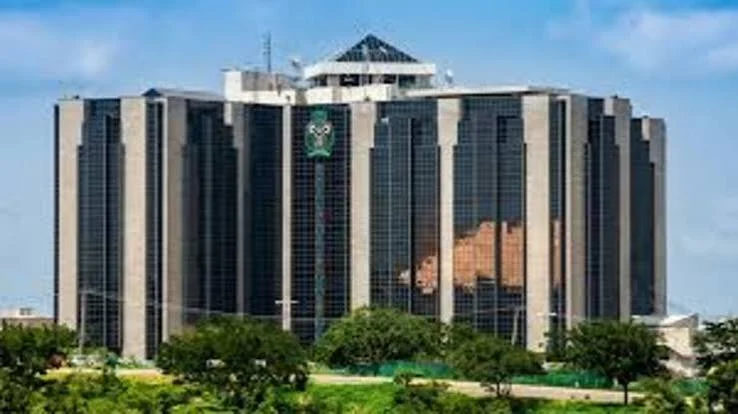
ABUJA — The Central Bank of Nigeria (CBN) has directed banks, Payment Service Banks and other financial institutions to immediately freeze the accounts and assets of individuals and entities designated for terrorism and terrorism financing.
The directive was contained in a circular dated June 24, 2026, issued by the apex bank’s Compliance Department to all institutions regulated under the Banks and Other Financial Institutions Act (BOFIA) 2020.
According to the CBN, the action follows updated sanctions issued by the Nigeria Sanctions Committee and the United States Department of the Treasury’s Office of Foreign Assets Control (OFAC) under Executive Order 13224, as amended.
The regulator said the updated Nigeria Sanctions List, released on June 18, 2026, contains binding measures that require immediate implementation by all regulated entities.
Six individuals named on the sanctions list are Muktar Muhammad Adamu, Babangida Muhammed Adamu Hammajam, Abdullahi Umar Usman, Ibrahim Abubakar, Adamu Chiroma and Yakubu Ogirima Ibrahim.
The CBN also identified four Bureau de Change operators allegedly owned or controlled by the designated individuals. They include Generation Currency Bureau de Change Limited, Manhattan Bureau de Change Limited, Nine to Nine Exchange Bureau de Change Limited and Abbal Bako & Sons Bureau de Change Limited.
As part of the directive, financial institutions were ordered to screen customers, beneficial owners and all transactions against the updated sanctions list and immediately freeze, without prior notice, all funds, assets and economic resources linked directly or indirectly to the designated persons and entities.
The apex bank further instructed institutions to prevent the provision of funds, financial services or economic resources to the sanctioned individuals and organisations.
Banks were also directed to file Suspicious Transaction Reports with the Nigerian Financial Intelligence Unit (NFIU) for any confirmed or attempted matches and submit compliance reports to the CBN within 48 hours, detailing actions taken and any assets frozen. Institutions with no matching accounts were required to file nil returns.
In addition, the CBN urged financial institutions to strengthen monitoring systems for terrorism-financing indicators, including unusual fund movements, the use of money service businesses, bureaux de change and transactions involving high-risk jurisdictions.
The regulator warned that false or misleading compliance reports would attract sanctions under BOFIA 2020 and other applicable laws, adding that it would conduct supervisory reviews and examinations to ensure full compliance.
The directive takes immediate effect.

By Abigail David
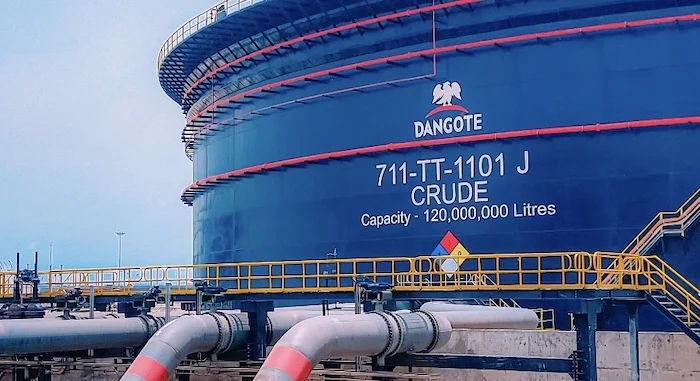
Dangote Petroleum Refinery has reduced the gantry price of Premium Motor Spirit (PMS), commonly known as petrol, by N75 per litre, citing easing tensions in the Middle East and declining global energy prices.
In a circular issued to fuel marketers on Monday, the refinery announced that the new gantry price had been lowered from N1,250 to N1,175 per litre, while the coastal price per metric tonne was reduced from N1,595,790 to N1,495,215.
The refinery said the revised prices would take effect from midnight and that all outstanding unloaded gantry volumes would be repriced accordingly.
According to the company, the adjustment followed the de-escalation of geopolitical tensions in the Middle East, which had driven up crude oil and fuel prices over the past three months.
“We have reviewed our premium motor spirit gantry and coastal prices following the de-escalation of tensions in the Middle East, which has impacted energy prices,” the refinery stated.
Market data from Petroleumprice.ng indicated that Dangote Refinery’s petrol is now among the cheapest available to marketers, with many outlets previously selling the product at around N1,240 per litre.
The price cut comes as global oil prices decline amid reports of a ceasefire agreement and renewed diplomatic efforts between the United States and Iran, raising hopes for the full reopening of the Strait of Hormuz, a critical global oil shipping route.
Crude oil prices had surged during months of regional tensions, pushing domestic fuel prices higher. In Nigeria, petrol prices climbed from about N830 per litre to around N1,300 per litre, while diesel and aviation fuel also recorded significant increases.
With crude prices retreating, industry observers expect further reductions in domestic fuel prices, although refinery officials have noted that existing stocks of higher-priced crude could moderate the pace of future price cuts.

By Abigail David
Ultimate Health Management Services has intensified efforts to expand affordable health insurance coverage for Nigeria’s largely uninsured informal sector through strategic partnerships and awareness campaigns.
The initiative was highlighted during a meeting in Lagos with a delegation from the Chartered Institute of Directors (CIoD) Nigeria, led by Assistant Director Adekemi Parker, where both organisations explored collaboration to improve health insurance penetration and governance standards in the sector.
At the centre of the initiative is a new health insurance package designed for artisans, traders, transport operators, ICT professionals and small business owners. According to Ultimate Health Managing Director, Lekan Ewenla, the scheme costs N38,000 annually per enrollee and is structured to provide accessible healthcare for workers outside the formal employment sector.
Ewenla said the programme aims to reduce the heavy reliance on out-of-pocket medical expenses, noting that inadequate awareness and limited access to information remain major barriers to health insurance adoption in Nigeria.
He added that the company is working with organised informal sector groups and institutional partners to drive enrolment and improve access to timely healthcare services.
Official data from the 2025 State of Health of the Nation Report shows that health insurance coverage in Nigeria increased from 19.2 million people in 2024 to 21.7 million in 2025, representing about 13 per cent of the population.
CIoD said the collaboration aligns with its commitment to strengthening corporate governance and improving service delivery in critical sectors, including healthcare.


BREAKING: Mary Habila was like a daughter to me, Umahi breaks silence

Court stops APC, INEC from altering Benue APC primary winners
Alleged Cybercrime : Court Gives Sowore Final Warning to Conclude Defence or Be Foreclosed
-
 News12 hours ago
CACOL Commends EFCC, Judiciary Over Final Forfeiture of 48 Properties Linked to Ex-AGF Malami
-
 News12 hours ago
Gov. Yusuf Reaffirms Commitment to Kano Development Blueprint, Urges APC Executives to Strengthen Grassroots Mobilisation
-

 News12 hours ago
Gov. Agbu Kefas Seeks Reconciliation, Urges Party Members to Close Ranks After Primaries
-
 News23 hours ago
Court Orders Final Forfeiture of 48 Properties Linked to Ex-AGF Abubakar Malami
-
News12 hours ago
Ododo Launches Massive Security Operation to Rescue Abducted Principal, Students, NECO Official
-

 Entertainment23 hours ago
Davido Reveals Five Items He Never Travels Without, Says Wedding Ring Is Most Precious
-
 News12 hours ago
Gov. Yusuf Rewards APC Grassroots Supporters With 1,540 Plots, ₦100 Million Ahead of 2027
-

 Entertainment23 hours ago
Bella Shmurda Alleges $4 Million Property Fraud, Seeks Legal Redress
You must be logged in to post a comment Login