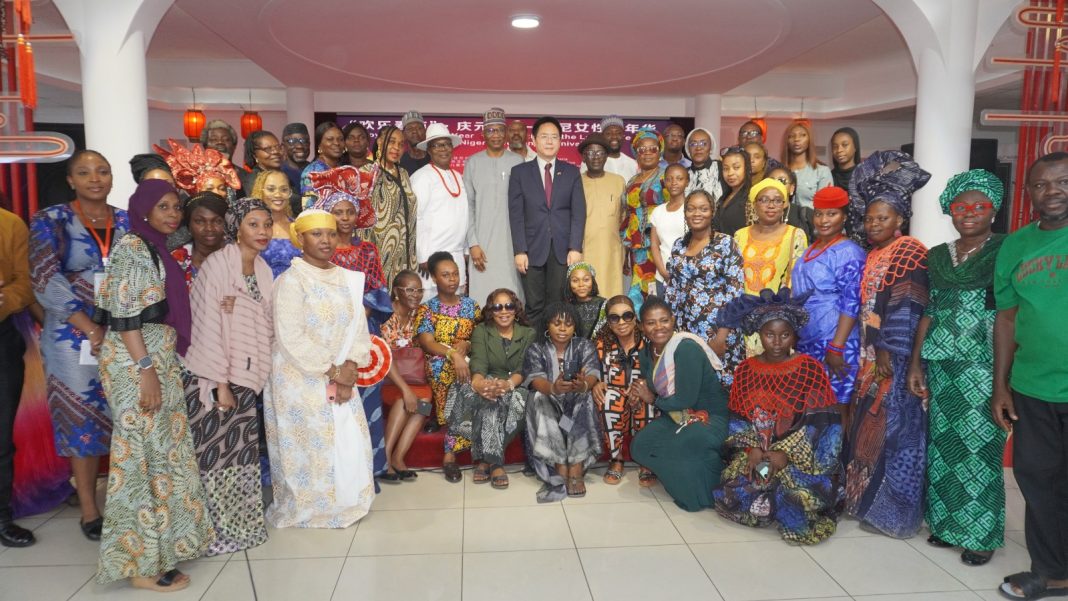

China and Nigeria have renewed their resolve to deepen cultural cooperation and expand opportunities for women, as both countries marked the 2026 Lantern Festival and China-Nigeria Women’s Carnival in Abuja.
The colourful event, held at the China Cultural Centre in Nigeria, was organised by the Chinese Embassy in Nigeria to commemorate the Lantern Festival (the climax of the Chinese Lunar New Year celebrations) and to herald International Women’s Day on March 8.
Addressing guests at the ceremony, Cultural Counsellor of the Chinese Embassy, Yang Jianxing, described the Lantern Festival as a time-honoured tradition symbolising harmony, reunion and optimism for the year ahead. He explained that the festival is typically observed with lantern displays and the sharing of tangyuan, a sweet rice delicacy that signifies family unity.
Yang pointed out that the Chinese New Year was added to UNESCO’s Representative List of the Intangible Cultural Heritage of Humanity in 2024, a recognition he said underscores its universal cultural value.
According to him, the Abuja celebration goes beyond festivity, reflecting the steady growth of relations between the two nations. He noted that 2026 marks 55 years of diplomatic engagement between Nigeria and China and has been designated the “China-Africa Year of People-to-People Exchanges.”
The envoy highlighted China’s strides in advancing women’s participation across sectors, referencing the 2025 Global Leaders’ Meeting on Women in Beijing attended by President Xi Jinping. He said sustained policies promoting education, entrepreneurship and workforce inclusion for women have been central to China’s development trajectory.
Yang added that women have become key actors in strengthening China-Nigeria cooperation, with Chinese women increasingly active in Nigerian communities and Nigerian women contributing meaningfully to joint development initiatives.
He reaffirmed China’s readiness to collaborate with Nigeria in implementing outcomes of the 2024 Beijing Summit of the Forum on China-Africa Cooperation, particularly in areas related to cultural exchange and gender inclusion.
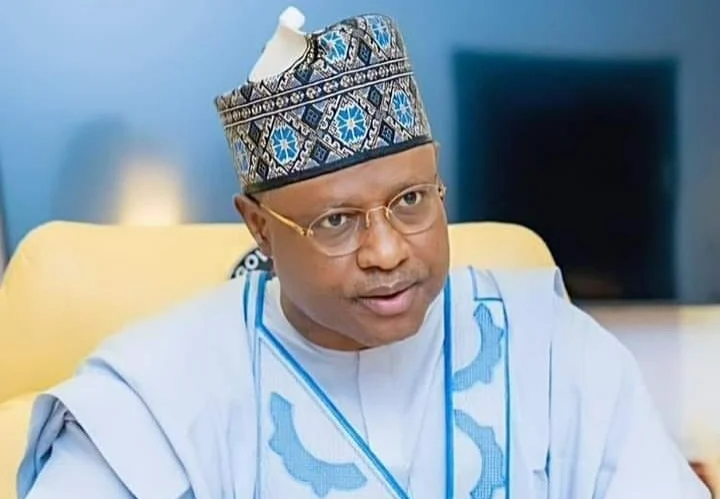
In his remarks, the Permanent Secretary of the Federal Ministry of Art, Culture, Tourism and Creative Economy, Mukhtar Yanale Muhammad, described the gathering as a powerful convergence of heritage and shared values.
He praised the Chinese Embassy and cultural institutions for fostering mutual understanding through arts and tourism, noting that such engagements create tangible economic opportunities, especially for women in the creative industry.
The Permanent Secretary stressed that the symbolism of the Lantern Festival — light dispelling darkness — mirrors the transformative role women play in national growth and social stability. He pledged that the Federal Government would strengthen policies aimed at expanding cultural partnerships, promoting women’s participation in the digital economy and broadening Nigeria’s tourism reach.
He said the Ministry remains committed to positioning Nigerian women more prominently on the global stage, ensuring they play decisive roles in shaping the country’s economic and cultural future.
Also speaking, Jean-Paul Ngome Abiaga, Head of the UNESCO Office in Abuja, said the carnival demonstrates how culture and education can serve as effective instruments for diplomacy and development.
He explained that UNESCO’s overarching priorities — Africa and Gender Equality — are reflected in the collaboration between China and Nigeria. As the world prepares to celebrate International Women’s Day, he said the event provided an opportunity to recognise the achievements and leadership of women in both societies.
Ngome Abiaga commended Nigeria’s Nigeria for Women Programme Scale-Up initiative for enhancing economic prospects for women nationwide. He also lauded First Lady Oluremi Tinubu for her “Flow with Confidence” campaign, which promotes dignity and educational access for young girls.
The UNESCO representative expressed optimism about stronger cooperation between UNESCO and China in Nigeria, particularly in advancing education, science, culture and innovation for inclusive development.
The celebration featured musical performances, a joint China-Nigeria concert and cultural exhibitions that showcased artistic traditions from both countries, reinforcing the message that cultural dialogue remains a vital pillar of bilateral relations.
Participants said the event not only honoured tradition but also underscored a shared commitment to empowering women and building a more inclusive future for both nations.