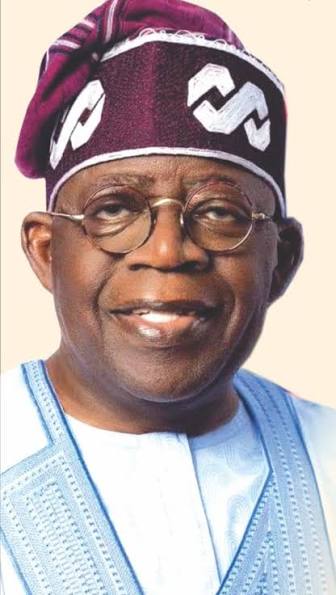

In what is being described as an unprecedented political development ahead of the 2027 general elections, a broad-based national coalition cutting across civil society organisations, professional bodies, labour groups, artisan associations, and other grassroots networks has announced plans to formally endorse President Bola Ahmed Tinubu for a second term in office.
The coalition, spearheaded by the Coalition of Civil Society Organisations in Nigeria, COCSON, now extends far beyond the traditional civic space, bringing together over 1,500 groups from diverse sectors of the Nigerian society. Participants include human rights organisations, medical and legal professionals, trade and artisan unions, community-based organisations, and influential labour leaders, reflecting a wide national spread and multi-sectoral backing.
The historic convention is scheduled to hold on May 17, 2026, where leaders and representatives of the various groups are expected to converge in what organisers say will be the largest endorsement gathering in Nigeria’s history. The event will serve as the official platform for the coalition to collectively declare support for President Tinubu’s re-election bid.
In a major demonstration of grassroots mobilisation, the coalition also revealed plans to submit a compiled total of 20 million signatures of Nigerians who have endorsed the President’s candidacy. The signatures, gathered through extensive nationwide engagement, are being positioned as a clear indication of public support cutting across regions, professions, and social strata.
Organisers of the event stated that the decision to back President Tinubu is driven by what they described as tangible strides in economic reforms, governance, and national stability. They emphasised that the inclusion of non-traditional actors such as artisans, market groups, and labour unions underscores a broader national consensus that transcends the usual civil society framework.
Political analysts say the scale and diversity of this coalition mark a significant shift in Nigeria’s political landscape, where support structures are no longer confined to political parties and elite stakeholders but are increasingly driven by a fusion of grassroots and professional constituencies.
As momentum builds towards the May 17 convention, observers are keenly watching how this expansive alliance will shape political narratives and influence voter sentiment in the lead-up to the 2027 elections.
Further details on the convention and breakdown of participating groups are expected to be unveiled in the coming days.