
Business and Economy
Nigeria Targets 209,000MW Power Capacity with $11bn Solar Projects

By Abigail David
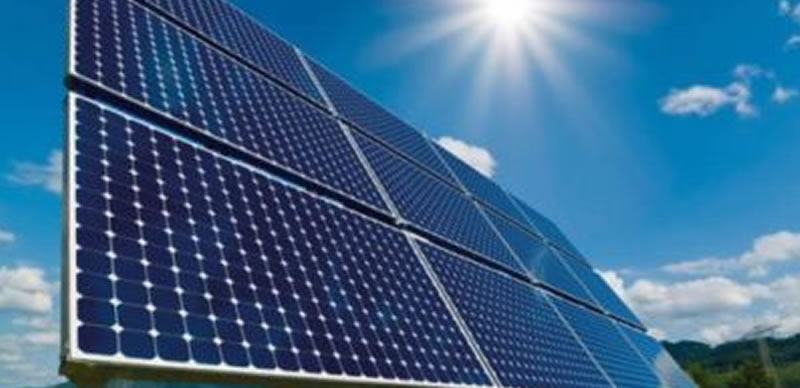
Nigeria is pursuing an ambitious expansion of its electricity sector, targeting 209,000 megawatts of installed solar power capacity by 2050, with 53 large-scale renewable energy projects valued at about $11 billion currently underway.
According to a report by IIR, the projects reflect growing investment in Nigeria’s renewable energy sector and are expected to play a key role in the country’s long-term energy transition and efforts to improve electricity access.
Alongside utility-scale projects, the Federal Government is expanding rural electrification through a nationwide solar mini-grid programme led by the Rural Electrification Agency (REA). The initiative involves the deployment of more than 1,300 mini-grids and off-grid systems, including 250 interconnected mini-grids linked to the national grid.
The programme is backed by $750 million in public funding and is projected to attract an additional $1.1 billion in private investment.
REA Managing Director Abba Aliyu described the project as one of the world’s largest publicly funded renewable energy initiatives, adding that it aims to provide electricity to 17.5 million Nigerians within three years while positioning the country as a renewable energy hub in Africa.
Nigeria has already installed more than 1,000 mini-grids, while the World Bank-backed Distributed Access through Renewable Energy Scale-up programme continues to support rural electrification and reduce dependence on diesel generators.
The Federal Government aims to increase renewable energy’s share of the electricity mix to 30 per cent by 2030 and 82 per cent by 2050 as part of its net-zero emissions target for 2060

Business and Economy
Breaking: Senate Rejects Motion to Probe Alleged ₦1.3bn PFIPC Budget Allocation

By Abigail David
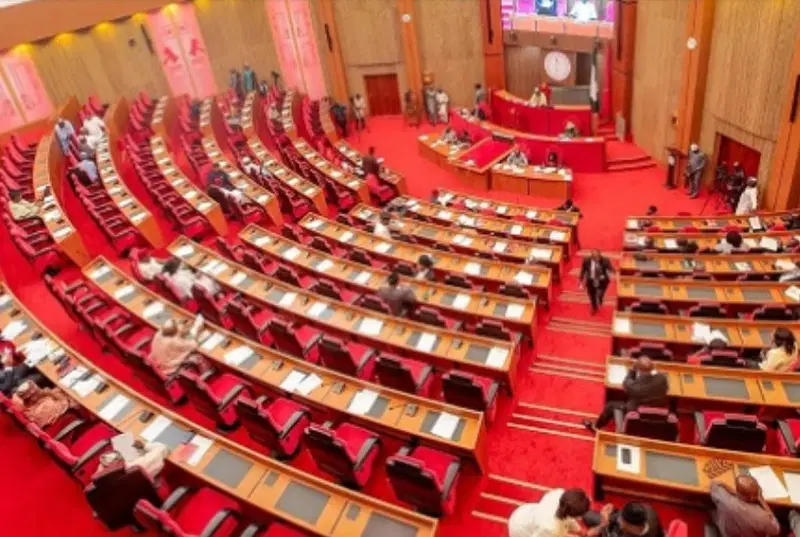
The Senate of Nigeria on Wednesday rejected a motion seeking a comprehensive investigation into the budgetary allocation, operations and controversy surrounding the purported Presidential Foreign Intervention Promotion Council (PFIPC).
The motion was sponsored by Senator Suleiman Kawu, who raised the matter during plenary under the Senate Standing Orders.
Kawu argued that the controversy surrounding the PFIPC threatened the integrity of the Senate, the credibility of the National Assembly and the legislature’s constitutional oversight and appropriation responsibilities.
He called on the Senate to condemn the alleged administrative lapses or fraudulent actions that led to the inclusion of the purported council under Budget Code 0111062001 in the 2026 Appropriation Act.
The lawmaker also sought a probe into how the budgetary allocation of ₦1,302,978,784 was proposed, scrutinised and approved, the officials and agencies responsible for its inclusion in the national budget, and whether any funds had been released or spent under the budget line.
However, the Deputy President of the Senate, Barau Jibrin, who presided over the session, declined to allow debate on the motion.
Jibrin said the Executive had already taken action on the matter, noting that President Bola Ahmed Tinubu had directed the Independent Corrupt Practices and Other Related Offences Commission (ICPC) to investigate the alleged scandal.
He urged senators to allow the Executive’s investigation to run its course rather than commence a separate legislative probe.
Business and Economy
Nigeria Unveils Critical Minerals Roadmap to Boost Green Manufacturing, Industrial Growth

By Abigail David
Nigeria is seeking to harness its vast critical mineral resources to drive industrialisation and clean energy manufacturing following the unveiling of a new strategic roadmap aimed at promoting local value addition and attracting investment.
The roadmap, presented by the Council for Critical Minerals Development in the Global South to the Minister of Solid Minerals Development, Dr. Dele Alake, outlines strategies for leveraging the country’s lithium, copper and bauxite deposits to expand domestic manufacturing, mineral beneficiation and green energy production.
The report was presented on the sidelines of the 5th African Natural Resources and Energy Investment Summit (AFNIS 2026) as the Federal Government intensifies efforts to reduce raw mineral exports and develop integrated value chains that support job creation, industrial growth and the energy transition.
Receiving the report, Alake described it as a practical policy framework for aligning Nigeria’s clean energy goals with its mineral resources. He said the roadmap analyses domestic demand for solar photovoltaic systems, battery energy storage and electric vehicles alongside existing supply and trade patterns.
According to the minister, the findings confirm that Nigeria has the critical minerals needed to support its green energy ambitions while creating opportunities for local processing and manufacturing.
He added that the report would guide reforms aimed at strengthening mineral beneficiation, increasing local value addition and building stronger links between the mining and manufacturing sectors to ensure greater economic returns from the country’s natural resources.
The next phase of the initiative will focus on developing a mineral-to-manufacturing localisation roadmap, promoting South-South investment partnerships and expanding collaboration with local stakeholders to accelerate green industrialisation projects.
The initiative is expected to enhance Nigeria’s competitiveness in the global critical minerals market while supporting the Federal Government’s goal of transforming the mining sector into a major source of industrial growth, exports and non-oil foreign exchange earnings.
By Abigail David
The Federal Government has denied claims that it spent more than N8 trillion outside the approved budget, describing the allegation as false and based on a misrepresentation of the International Monetary Fund’s 2026 Article IV Consultation Report.
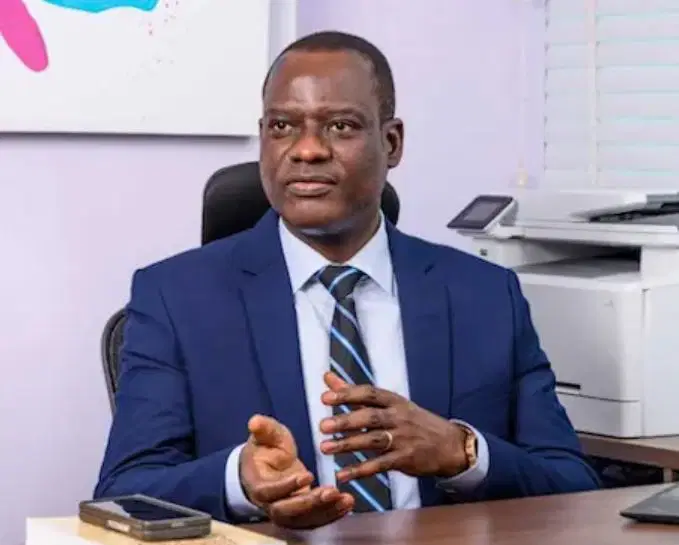
In a statement issued on Sunday, the Minister of Finance and Coordinating Minister of the Economy, Taiwo Oyedele, said reports suggesting that about two per cent of Nigeria’s Gross Domestic Product was spent outside the budgetary framework were misleading and created a false impression of the country’s public financial management.
Oyedele maintained that the Federal Government does not operate a “shadow budget” or spend public funds outside the constitutional and statutory framework.
He cited Sections 80 to 83 and 162 of the 1999 Constitution (as amended), noting that public funds can only be withdrawn and expended in accordance with the Constitution and laws enacted by the National Assembly.
According to the minister, government spending is carried out through duly enacted Appropriation Acts, Supplementary Appropriation Acts and other statutory authorities approved by the National Assembly.
He explained that multi-year capital projects implemented across several budget cycles are executed under existing laws and approved capital rollover provisions, stressing that such projects should not be interpreted as off-budget spending.
Oyedele also dismissed claims that trillions of naira had been secretly spent without legislative approval, saying no evidence had been presented to show that any project was executed without appropriation.
He further clarified that Nigeria’s public finance framework includes statutory transfers, first-line charges and intervention mechanisms established by Acts of the National Assembly. These cover allocations to development agencies, revenue collection costs, approved capital expenditure for certain agencies and the Federal Capital Territory, special interventions for national priorities and debt service obligations.
The minister said these expenditures are lawful, publicly disclosed in fiscal reports and subject to legislative oversight and audit, adding that differences in their presentation under international reporting standards should not be construed as evidence of illegal spending.
He also rejected suggestions that the reported amount reflected an increase in Nigeria’s fiscal deficit, explaining that fiscal deficits are determined by the gap between government revenue and expenditure, not by the financing method for approved projects.
According to Oyedele, the IMF’s observations relate to the comprehensiveness, timing and presentation of Nigeria’s fiscal reporting rather than the legality of government expenditure. He added that the Federal Government is implementing reforms to align its budget presentation with international fiscal reporting standards.
The minister recalled that President Bola Ahmed Tinubu had, during the presentation of the 2026 Appropriation Bill to the National Assembly, called for the harmonisation of multiple and overlapping budgets into a single fiscal framework.

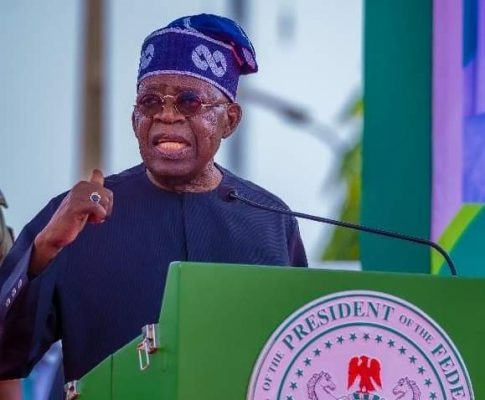
Tinubu, Wike laud Julius Berger for Abuja City Gate transformation

Breaking: All Kidnapped Oyo School Pupils, Teachers Rescued

XENOPHOBIC ATTACKS: SENATE DIASPORA COMMITTEE, YOUTH POLITICAL LEADERS UNITE TO PROTECT NIGERIANS IN SOUTH AFRICA
-

 News23 hours ago
BREAKING: Kidnapped Oyo Pupils and Teachers Regain Freedom, Presidency Confirms
-
 News23 hours ago
XENOPHOBIC ATTACKS: SENATE DIASPORA COMMITTEE, YOUTH POLITICAL LEADERS UNITE TO PROTECT NIGERIANS IN SOUTH AFRICA
-
 News18 hours ago
Breaking: All Kidnapped Oyo School Pupils, Teachers Rescued
-
Uncategorized18 hours ago
Tinubu, Wike laud Julius Berger for Abuja City Gate transformation
You must be logged in to post a comment Login