
By Irene Jacks
The Nigeria–Niger border has increasingly become a zone of insecurity, largely due to the activities of armed groups such as the Lakurawa.
These groups exploit porous borders, weak governance, and social grievances to expand their influence, threatening local communities, trade, and regional stability. Over the past few years, the Lakurawa have gained notoriety for their ability to move across states and borders with minimal resistance, leaving a trail of insecurity that affects both Nigeria and Niger (Al Jazeera, 2025; UNIDIR, 2025).
Who Are the Lakurawa?
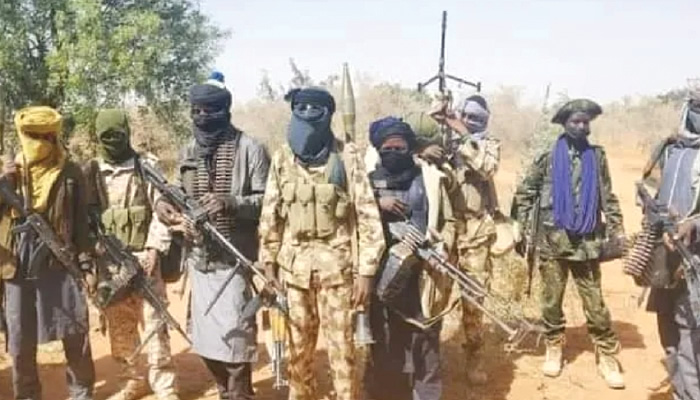
The Lakurawa group is believed to have emerged from the fragmented bandit networks in northern Nigeria, particularly in Sokoto, Katsina, Zamfara, and Kebbi States. They combine criminal activities, such as cattle rustling and kidnapping for ransom, with local networks that provide protection, intelligence, and recruitment. Their operational strategy is both violent and strategic: they launch attacks, extort local populations, and retreat across the border to evade capture. This flexibility makes them difficult for security agencies to contain (Telegraph Nigeria, 2025; Vanguard, 2025).
Impact on Border Communities
The activities of Lakurawa have severe consequences for border communities. Kidnapping, armed raids, and extortion have caused displacement, disrupted trade, and created widespread fear. Farmers and herders are often forced to abandon their lands, while market activity along border towns like Illela, Jibia, and Zurmi has declined sharply. Communities face not only physical threats but also economic and social disruptions, weakening their resilience and trust in government protection. Neighboring towns in Niger, such as Maradi and Birni N’Konni, also feel the ripple effects of these attacks, highlighting the transnational nature of the problem (Al Jazeera, 2025; UNIDIR, 2025).
Several factors sustain the group’s influence. Poverty, unemployment, and social marginalization make it easier for armed groups to recruit local youth. Porous borders and weak inter-state coordination allow them to operate with relative impunity. Local perceptions also play a role: in some communities, the group is tolerated or even supported because they are seen as providing protection or resources that the state cannot deliver (UNIDIR, 2025).
Addressing the Threat
Addressing the threat requires a multi-pronged approach. Strengthening joint security operations and intelligence sharing between Nigeria and Niger is critical. Community engagement, including involving local leaders in early warning and conflict resolution, can help reduce the group’s social legitimacy. Development initiatives, such as livelihood programs and youth employment schemes, are equally important to reduce the incentives for joining armed groups. Ultimately, sustainable security cannot rely solely on military measures; it must combine governance, development, and community cooperation (Vanguard, 2025).
The rise of the Lakurawa armed group underscores the complex challenges of border security in West Africa. Their ability to exploit social and economic vulnerabilities makes them a persistent threat. However, with coordinated action, strong community involvement, and targeted development, both Nigeria and Niger can work to reduce insecurity, protect their citizens, and restore stability to the border region. The Lakurawa problem is not just a criminal issue .it is a social, political, and strategic challenge that requires urgent attention and innovative solutions (Al Jazeera, 2025; UNIDIR, 2025)
Irene Jacks is a Student of Baze University Abuja Nigeria, currently undergoing internship at the institute for Peace And Conflict Resolution