
Business and Economy
FG denies N8tn off-budget spending, says IMF report misinterpreted


By Abigail David
The Federal Government has denied claims that it spent more than N8 trillion outside the approved budget, describing the allegation as false and based on a misrepresentation of the International Monetary Fund’s 2026 Article IV Consultation Report.
In a statement issued on Sunday, the Minister of Finance and Coordinating Minister of the Economy, Taiwo Oyedele, said reports suggesting that about two per cent of Nigeria’s Gross Domestic Product was spent outside the budgetary framework were misleading and created a false impression of the country’s public financial management.
Oyedele maintained that the Federal Government does not operate a “shadow budget” or spend public funds outside the constitutional and statutory framework.
He cited Sections 80 to 83 and 162 of the 1999 Constitution (as amended), noting that public funds can only be withdrawn and expended in accordance with the Constitution and laws enacted by the National Assembly.
According to the minister, government spending is carried out through duly enacted Appropriation Acts, Supplementary Appropriation Acts and other statutory authorities approved by the National Assembly.
He explained that multi-year capital projects implemented across several budget cycles are executed under existing laws and approved capital rollover provisions, stressing that such projects should not be interpreted as off-budget spending.
Oyedele also dismissed claims that trillions of naira had been secretly spent without legislative approval, saying no evidence had been presented to show that any project was executed without appropriation.
He further clarified that Nigeria’s public finance framework includes statutory transfers, first-line charges and intervention mechanisms established by Acts of the National Assembly. These cover allocations to development agencies, revenue collection costs, approved capital expenditure for certain agencies and the Federal Capital Territory, special interventions for national priorities and debt service obligations.
The minister said these expenditures are lawful, publicly disclosed in fiscal reports and subject to legislative oversight and audit, adding that differences in their presentation under international reporting standards should not be construed as evidence of illegal spending.
He also rejected suggestions that the reported amount reflected an increase in Nigeria’s fiscal deficit, explaining that fiscal deficits are determined by the gap between government revenue and expenditure, not by the financing method for approved projects.
According to Oyedele, the IMF’s observations relate to the comprehensiveness, timing and presentation of Nigeria’s fiscal reporting rather than the legality of government expenditure. He added that the Federal Government is implementing reforms to align its budget presentation with international fiscal reporting standards.
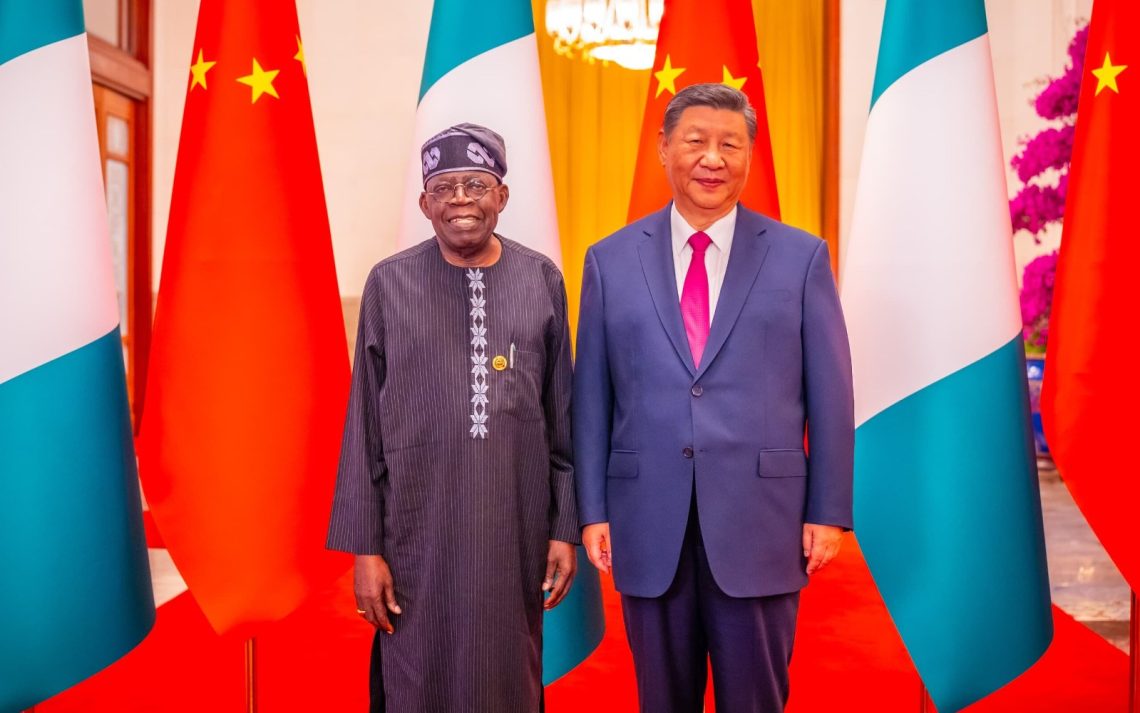
The minister recalled that President Bola Ahmed Tinubu had, during the presentation of the 2026 Appropriation Bill to the National Assembly, called for the harmonisation of multiple and overlapping budgets into a single fiscal framework.




By Abigail David
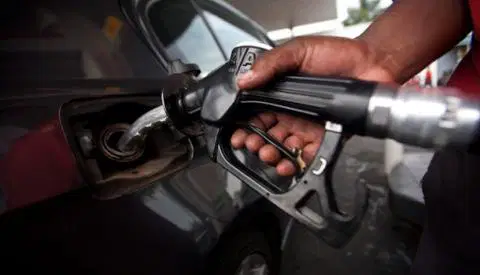
The Federal Government has directed the Nigerian Midstream and Downstream Petroleum Regulatory Authority (NMDPRA) to ensure petroleum marketers do not exploit consumers through excessive fuel pricing despite the deregulated downstream market.
Minister of State for Petroleum Resources (Oil), Senator Heineken Lokpobiri, gave the directive on Monday in Abuja during the NMDPRA General Counsel and Legal Advisers Forum.
Lokpobiri said the recent decline in global crude oil prices following eased tensions in the Middle East should be reflected in lower pump prices for Premium Motor Spirit (PMS), commonly known as petrol. He noted that marketers have yet to reduce prices despite crude oil falling from about $120 to around $72 per barrel.
He stressed that while market forces determine prices under deregulation, the regulator has a statutory duty under the Petroleum Industry Act (PIA) to prevent profiteering and protect consumers. He also directed the NMDPRA to intensify monitoring to ensure motorists receive the exact quantity of fuel paid for at filling stations.
The minister credited fuel supply stability during recent geopolitical tensions to the deregulated downstream sector and increased domestic refining capacity, while urging regulators to promote transparency, regulatory certainty and investment confidence.
NMDPRA Chief Executive Rabiu Umar said the agency remains committed to creating a predictable regulatory environment that supports investment and industry growth.
Meanwhile, depot petrol prices recorded slight reductions across Lagos, Port Harcourt, Calabar and Warri, with adjustments ranging between ₦1 and ₦6 per litre, indicating gradual moderation in the downstream market.
Reacting to the pricing situation, Managing Director of 11 Plc, Osagie Ogedegbe, said the Dangote Refinery currently exerts significant influence on petrol pricing because it is the primary supplier to marketers.
The Nigeria Labour Congress (NLC) also called on the Federal Government to strengthen regulatory oversight, dismantle monopolistic practices and promote genuine competition to ensure Nigerians benefit from lower international crude oil prices.
By Abigail David
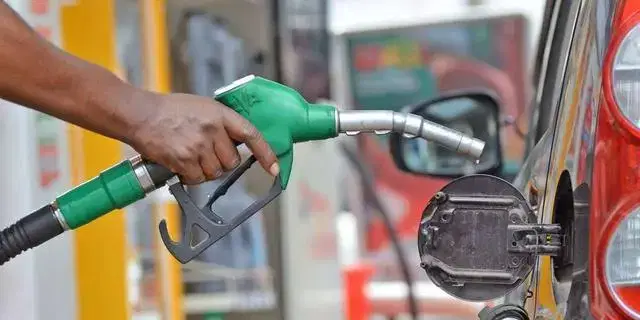
The Petroleum Products Retail Outlets Owners Association of Nigeria (PETROAN) has called on refiners, depot owners and fuel importers to reduce ex-depot and pump prices of petroleum products in line with the recent decline in global crude oil prices.
PETROAN National President, Billy Gillis-Harry, made the appeal in a statement issued on Friday in Abuja, saying lower crude oil prices should translate into cost savings for Nigerian consumers.
According to him, recent developments in the global oil market, including easing geopolitical tensions, have pushed crude oil prices downward, creating an opportunity for stakeholders in the downstream sector to adjust fuel prices accordingly.
Gillis-Harry noted that Brent crude has fallen to between 77 and 78 dollars per barrel following the ceasefire agreement between the United States and Iran and expectations of improved oil exports through the Strait of Hormuz.
He added that market analysts project Brent crude to trade between 75 and 82 dollars per barrel next week, while West Texas Intermediate (WTI) crude is expected to range between 72 and 79 dollars per barrel.
The PETROAN president attributed the decline in crude prices to the implementation of the U.S.-Iran peace agreement, increased crude exports from the Middle East and concerns over weaker global oil demand.
He, however, warned that renewed geopolitical tensions, supply disruptions or unexpected production cuts by the Organisation of the Petroleum Exporting Countries (OPEC) and its allies could reverse the downward trend.
Gillis-Harry expressed concern that the landed cost of imported petroleum products appeared to be lower than the prices offered by some domestic refiners, stressing the need for a more competitive downstream petroleum market.
He urged the Nigerian Midstream and Downstream Petroleum Regulatory Authority (NMDPRA) to continue issuing import licences to qualified marketers, arguing that increased competition would help moderate prices, discourage monopolistic practices and ensure a stable supply of petroleum products nationwide.
According to him, a competitive market remains one of the most effective ways to improve efficiency, lower costs and protect consumers, while encouraging industry players to align fuel prices with prevailing market conditions.
Business and Economy
CBN Launches New Benchmark Interest Rate to Strengthen Financial Market Credibility


By Abigail David
The Central Bank of Nigeria (CBN) has launched the Nigerian Overnight Financing Rate (NOFR), a new transaction-based benchmark interest rate aimed at improving transparency, strengthening monetary policy transmission and deepening the country’s financial markets.
Speaking at the launch in Abuja on Monday, CBN Governor Olayemi Cardoso described the initiative as a major reform designed to align Nigeria’s financial system with global best practices and enhance confidence among investors and market participants.
According to Cardoso, NOFR is a transaction-based overnight secured interbank financing rate that reflects the actual cost of overnight funding in the Nigerian money market.
“The introduction of NOFR represents a significant reform that reinforces the Central Bank of Nigeria’s commitment to building a more resilient, efficient and credible financial services sector,” he said.
He explained that the benchmark was developed in collaboration with the Financial Markets Dealers Association, with technical support from the European Bank for Reconstruction and Development, to provide a more transparent and reliable reference rate for pricing financial instruments and managing liquidity.
Cardoso noted that transaction-based benchmarks reduce the risk of manipulation, improve price discovery and enhance market integrity, ultimately supporting the growth and credibility of Nigeria’s financial markets.
He added that the new benchmark would strengthen monetary policy transmission, improve the pricing of loans and wholesale deposits, support the development of financial products and boost domestic and international investor confidence.
Also speaking at the event, Deputy Governor for Economic Policy, Philip Ikeazor, described the launch as a major milestone in the evolution of Nigeria’s financial markets, saying it reflects the country’s commitment to building stronger financial infrastructure.
Representing Access Bank Managing Director Roosevelt Ogbonna, the bank’s Group Head of Treasury, David Enilolobo, said the initiative was a structural reform that would improve market credibility and attract greater investment into the financial sector.
The CBN had earlier announced the introduction of the Nigerian Overnight Financing Rate in April 2026 as part of ongoing efforts to enhance transparency and efficiency in Nigeria’s money market.


Ray Emodi apologises to fans, says burnout prompted acting break

FG denies N8tn off-budget spending, says IMF report misinterpreted

Citizens’ support key to achieving national security goals, COAS says
-
 News8 hours ago
CSO Commends DSS, Security Agencies For Proactive Measures During 2026 Hajj.
-
 Crime7 hours ago
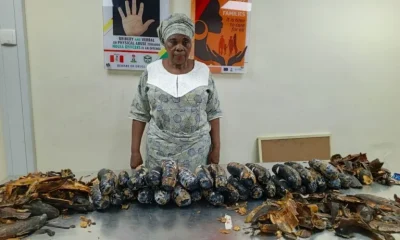
NDLEA arrests Nigerian-British grandmother with 13kg cocaine disguised as plantain at Lagos airport
-
 News6 hours ago
Citizens’ support key to achieving national security goals, COAS says
-
 News8 hours ago
CACOL Calls for Chief of Staff to Step Aside Over Alleged Fake Government Agency Scandal
-
News8 hours ago
Governor Sule Approves Five Mini Sports Complexes Across Nasarawa
-
 Entertainment6 hours ago
Ray Emodi apologises to fans, says burnout prompted acting break
-

 News6 hours ago
Mixed reactions greet six-week NYSC orientation, other reforms
-
News9 hours ago
PAAU Appoints Chief Security coordinator to Strengthen Campus Security
You must be logged in to post a comment Login