
By Abu Jemimah Lami
The rivalry between Israel and Iran is one of the most enduring and consequential geopolitical tensions in the contemporary Middle East. Although the two countries do not share a direct border, their hostility has shaped regional alliances, proxy conflicts, and global security calculations for decades. At its core, the conflict is rooted in ideological, political, and strategic differences that intensified after the 1979 Iranian Revolution.
Escalation to Direct Confrontation
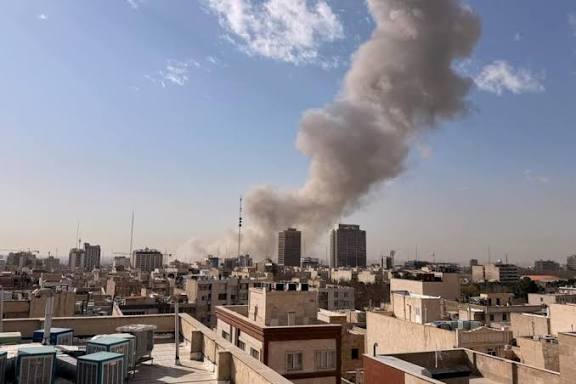
Over the years, this hostility played out largely through proxy confrontations. However, February 28, 2026, marked a historic turning point. Following the failure of indirect nuclear talks, Israel and the United States launched a massive military campaign—Operation Epic Fury—targeting Iranian leadership, nuclear facilities, and the IRGC command. The strikes resulted in the death of Supreme Leader Ali Khamenei and other high-ranking officials.
In retaliation, Iran launched hundreds of ballistic missiles and drones, targeting not only Israel but also Gulf states like the UAE and Qatar, accusing them of facilitating the attacks. This shift from “shadow war” to direct engagement has sent shockwaves through the global system.
Global Economic Shockwaves
The Middle East remains the world’s most critical energy corridor. The current war has led to several immediate global economic consequences:
- Energy Prices: Brent crude surged from $70 to over $82 per barrel by early March 2026. Analysts warn that a prolonged closure of the Strait of Hormuz—through which 20% of global oil passes—could push prices toward $100 per barrel.
- Trade Disruptions: The IRGC’s announcement of a blockade in the Strait has caused tanker traffic to plunge, with insurers refusing coverage for ships in the region.
- Inflationary Pressure: A persistent conflict is projected to add at least 0.8% to global inflation, eroding consumer spending power worldwide.
The Nigerian Reality: A Double-Edged Sword
For Nigeria, these global shifts carry a complex mix of opportunities and severe risks.
| Economic Factor | Impact of the Conflict | Domestic Consequence |
| Oil Revenue | Rise in global Brent prices to $82+ | Potential increase in foreign exchange reserves and government revenue. |
| Fuel Costs | Nigeria imports most refined products | Higher landing costs for petrol; pressure on the recently deregulated market. |
| Inflation | Global supply chain disruptions | Risk of reversing the 10-month downward trend in Nigeria’s inflation (currently 15.1%). |
| Foreign Investment | Heightened “risk-off” sentiment | Capital flight from emerging markets like Nigeria toward “safe havens” like Gold and the USD. |
Security and Strategic Foresight
Beyond economics, global tensions indirectly influence Nigeria’s security. The Federal Government’s ongoing reforms—including the 2025 Tax Reform Acts—aim to build economic resilience, but high energy costs could deepen social grievances.
The current crisis demonstrates that Nigeria’s foreign policy must move beyond diplomacy into strategic foresight. Institutions like the Federal Ministry of Foreign Affairs and the Ministry of Finance must use scenario analysis to anticipate how a “Total War” in the Middle East would impact Nigeria’s fiscal stability and internal security. Safeguarding Nigeria’s economic resilience is no longer just a domestic task; it is an essential component of navigating an increasingly volatile global landscape.